 Pin
Pin Sometimes, a single splash of color can spark a recipe into life. I wasn’t planning to bake anything that afternoon until I saw the pile of blood oranges catching the early spring sunlight—deep pink and orange, almost glowing. Their fragrance was sharp but sweet, and before I knew it, the idea of a polenta cake started running wild in my mind. Mixing the raw batter, I accidentally spattered juice across my shirt: the kitchen was suddenly splashed in color and laughter. This cake came to be from those small, bright accidents—the kind that make baking feel playful rather than fussy.
There was one evening when a couple of friends dropped by without warning, carrying nothing but good stories and a bottle of vermouth. I pulled this cake from the oven, the scent of citrus blending with the late-night breeze, and we shared it warm, passing forks around the table without plates. Someone claimed they'd never liked polenta—until that moment.
Ingredients
- Unsalted butter: Using room temperature butter makes creaming effortless and ensures a rich, even base.
- Caster sugar: Fine sugar dissolves quickly, yielding a delicate texture to the crumb.
- Large eggs: Whisk them in one at a time to help the batter stay smooth and fluffy.
- Blood orange zest: The zest perfumes the cake with a subtle but distinct citrusy punch—zest directly over the bowl to capture all the oils.
- Fine polenta (cornmeal): This is the backbone of the cake; fine grind gives a pleasing, sandy crumb without grittiness.
- Ground almonds: Almonds bring moisture and gentleness—press out any lumps for a smooth blend.
- Gluten-free baking powder: Make sure it’s fresh for proper lift, especially since this cake is heavy on the wet ingredients.
- Salt: Even a pinch makes the citrus brighter and the flavors balanced.
- Blood orange juice: Adds evocative sweetness and a blush of color; taste as you squeeze for the most fragrant fruit.
- Vanilla extract: This little dash smooths out sharp citrus edges and ties everything together.
- Powdered sugar: The base for the glossy, draping glaze; sift well to avoid lumps.
- Blood orange juice (for glaze): The secret to the cake's rosy, jewel-like finish—strain to keep the glaze silky.
- Blood orange slices and edible flowers (optional): Purely for joy, but they turn a simple cake into a dazzling centerpiece.
Tired of Takeout? 🥡
Get 10 meals you can make faster than delivery arrives. Seriously.
One email. No spam. Unsubscribe anytime.
Instructions
- Get ready:
- Preheat your oven to 170°C (340°F), grease your cake tin, and line the bottom with parchment—it’s the only way I guarantee a smooth removal.
- Cream and fluff:
- In a large bowl, whip the softened butter and caster sugar until it’s almost white and impossibly creamy—the sound of the mixer means you’re halfway to cake already.
- Add eggs, one by one:
- Crack in each egg, beating well after each: the mixture might look curdled, but it smooths out with patience.
- Zest and scent:
- Zest the blood oranges directly into the bowl, then add vanilla; inhale, enjoy—this is when the batter starts to smell like spring waking up.
- Mix the dry base:
- Combine polenta, ground almonds, baking powder, and salt in a separate bowl—sift if you’re feeling precise for the best texture.
- Bring it together:
- Fold the dry ingredients into the wet mixture gently; don’t overmix, just make sure it’s mostly combined.
- Juice and finish the batter:
- Pour in the fresh blood orange juice and stir briefly—it’s tempting to keep mixing, but stop as soon as it looks even and peachy-pink.
- Fill and smooth:
- Scoop the batter into your prepared tin and smooth the top; drag the spatula gently, as if frosting a cloud.
- Bake:
- Slide into the oven for 40–45 minutes; it smells sweet and nutty as it bakes, and a skewer should come out clean when done.
- Cool with patience:
- Let the cake sit in its tin for 10 minutes to settle, then invert onto a wire rack and leave it until fully cool—this keeps the crumb tender.
- Mix the glaze:
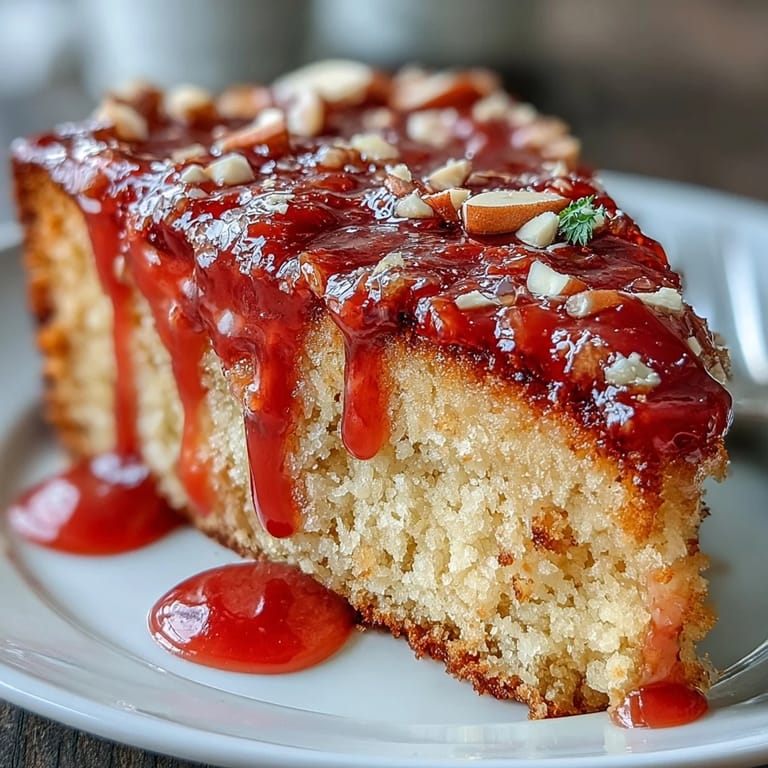
- Sift powdered sugar into a bowl and slowly add blood orange juice, stirring until thick and shiny—the pink color always feels like magic.
- Drizzle, dress, and finish:
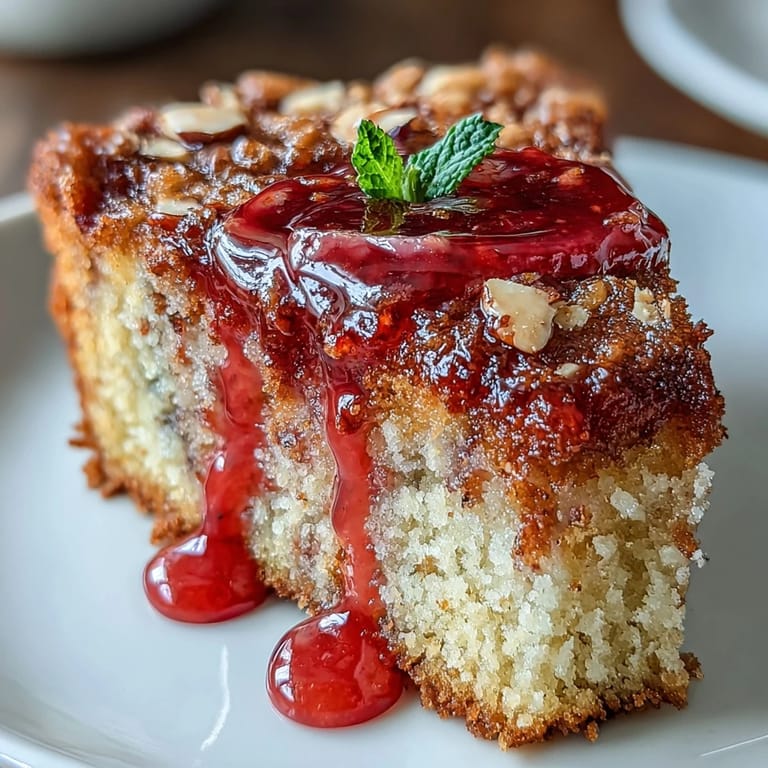
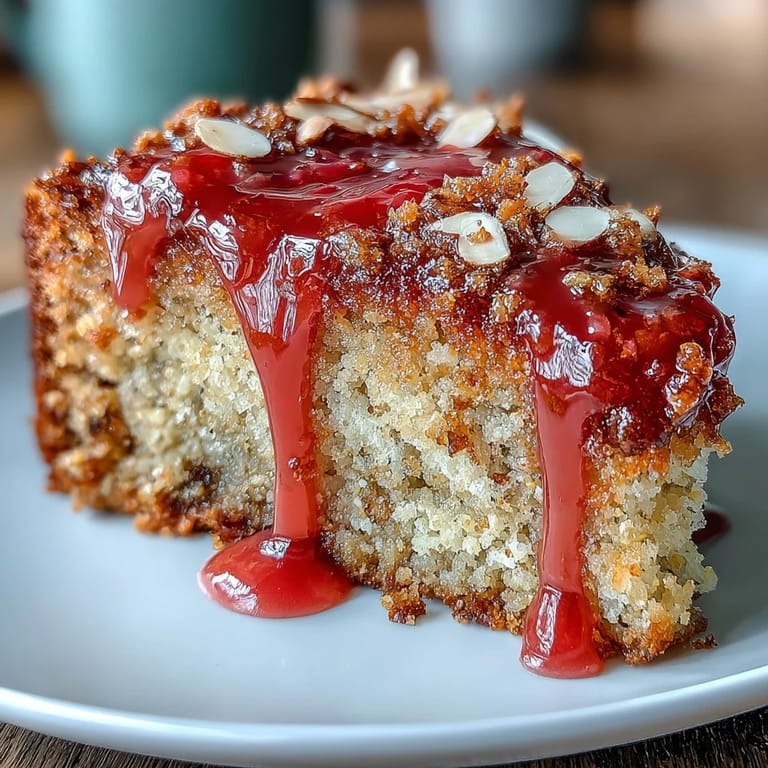
- Once cool, pour the glaze over the cake and let it drip naturally; scatter blood orange slices and edible petals on top, if you’re feeling fancy.
 Pin
Pin 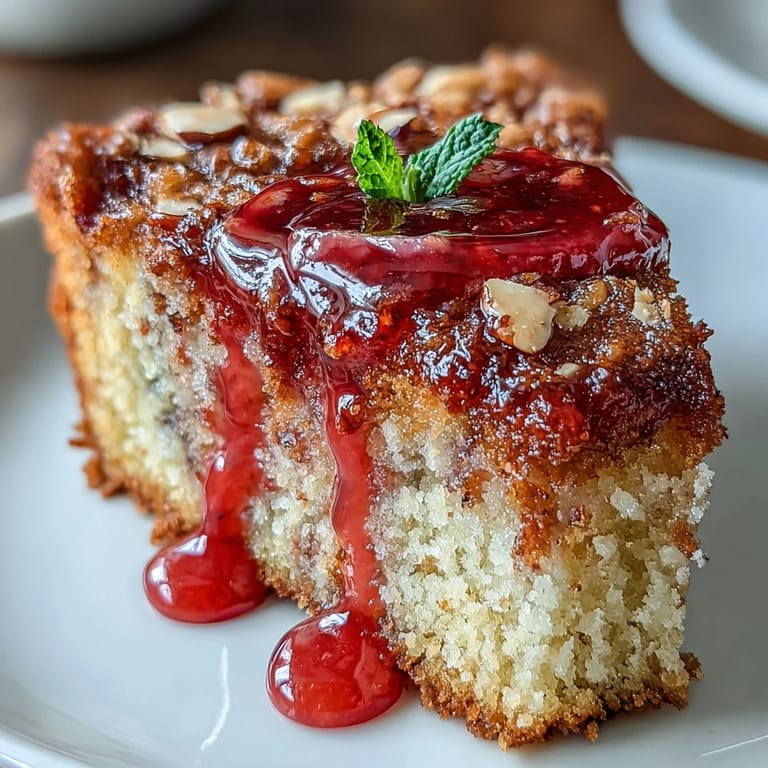 Pin
Pin When I carried this cake into the living room on my oldest friend’s birthday, the candles reflected pink off the glaze and everyone reached for their phones, but no photo could quite capture how alive it looked. For a moment, conversation paused just to admire it; the first slice was met with satisfied sighs usually reserved for gifts and old songs.
How to Handle Blood Oranges in the Kitchen
Blood oranges can be unpredictably juicy or a bit shy, so I always buy an extra one or two just in case—sometimes they’re more red, sometimes more golden, but both will taste wonderful. Zest before juicing to avoid a mess and to keep your knuckles intact.
Simple Ways to Adapt This Cake
If you can’t find blood oranges, regular oranges or even pink grapefruit will work—just expect a different colored glaze. Sometimes I tuck a spoonful of Greek yogurt into the batter for a little extra tang, or swap out half the almonds for hazelnuts for a richer, toastier effect.
Serving Suggestions for Maximum Delight
This cake pairs perfectly with a dollop of crème fraîche on the side or a spoonful of thick yogurt to cut the sweetness. Plating each slice with an extra segment of fresh blood orange makes dessert feel like an occasion, even if it’s just Wednesday Night.
- If serving to a crowd, slice the cake in advance for easy sharing.
- Leftovers taste even better the next day—store covered at room temperature.
- Use edible flowers for decoration only if you’re certain they’re food-safe.
 Pin
Pin 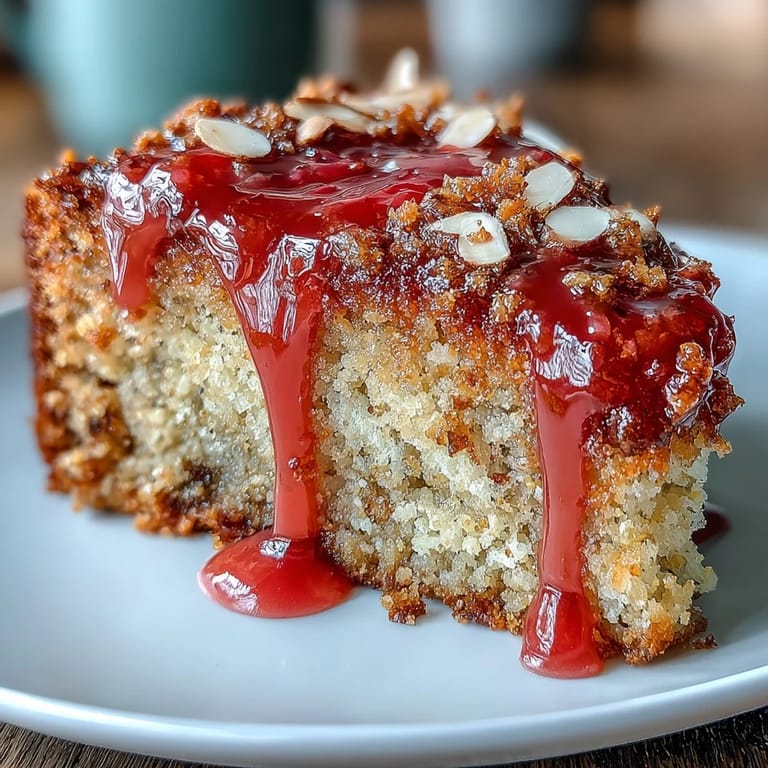 Pin
Pin Baking this cake always feels like a celebration, even if nothing special is happening. May its bright colors and sunny flavor bring a little unexpected joy into your kitchen too.
Recipe Q&A
- → Can I use regular oranges instead of blood oranges?
Yes. Regular oranges work well for flavor, though the glaze will be orange rather than pink. Adjust juice quantity to taste for sweetness and acidity.
- → What type of polenta should I use?
Use fine polenta (cornmeal) for a tender crumb. Coarser polenta creates a more pronounced grainy texture; both are fine but fine polenta yields the smoothest cake.
- → How can I keep the cake extra moist?
Brush the warm cake with additional blood orange juice or a light sugar syrup before glazing. Folding ingredients gently and not overbaking also preserves moisture.
- → How do I know when the cake is done?
Insert a skewer into the center — it should come out clean or with a few moist crumbs. The top should be golden and spring back lightly when touched.
- → Can I make the cake dairy-free?
Substitute a plant-based butter alternative and ensure it’s block-style for creaming. The texture will be similar if the fat content is comparable.
- → How should I store leftovers?
Keep the cake covered at room temperature for 1–2 days, or refrigerate in an airtight container for up to 4 days. Bring to room temperature before serving for best texture.