 Pin
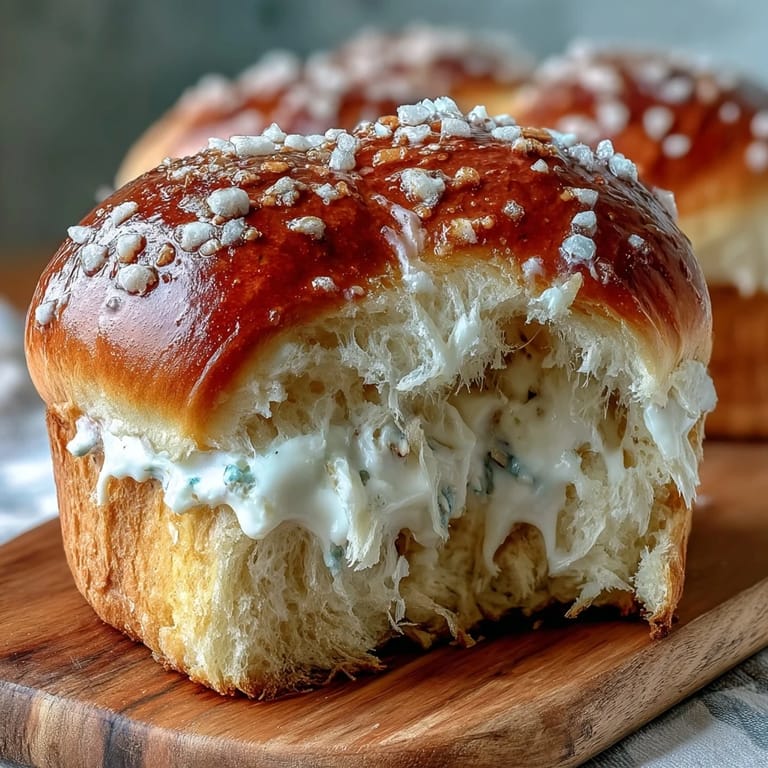
Pin The scent of fresh bread baking on a chilly Sunday morning always has this magical way of transforming my kitchen into the coziest place in the house. I first came across Japanese Milk Bread while searching for a soft loaf, hoping to replicate the impossibly fluffy slices I’d tasted at a local bakery. My curiosity met its match with the Tangzhong method – a clever approach that promised cloud-like texture and lasting softness. It only took one attempt (and a few flour-splattered surfaces) before I found myself grinning over a golden, pillowy loaf on my countertop. There’s something deeply satisfying about coaxing such fluffiness out of simple ingredients.
I remember the first time my partner hovered impatiently while the bread cooled, the kitchen heavy with the anticipation of the first warm slice. That shared peace and excitement made the simple act of slicing bread feel like unwrapping a thoughtful present together.
Ingredients
- Bread Flour: This high-protein flour gives the loaf its signature structure and chewy, tender bite I love in a good milk bread.
- Sugar: Just enough sugar creates that gentle sweetness and helps the bread brown beautifully in the oven.
- Fine Sea Salt: Brings all the flavors into balance – a pinch truly matters here, so don’t skip it.
- Instant Yeast: For a reliable, even rise (and no need to proof), especially helpful on busy days.
- Whole Milk: Room temperature milk provides a rich backbone, and using lukewarm milk helps the yeast wake up faster.
- Egg: Adds that subtle richness and golden hue, plus it helps tenderize the crumb for extra softness.
- Unsalted Butter: Softened butter is key – it should melt into the dough as you knead, never go in cold.
- Tangzhong (flour, water, milk): The not-so-secret touch – this little roux keeps the bread extra moist and cloud-like for days.
- Milk (for brushing): A quick brush before baking ensures a shiny, soft-top finish (trust me, it’s worth doing each time).
Tired of Takeout? 🥡
Get 10 meals you can make faster than delivery arrives. Seriously.
One email. No spam. Unsubscribe anytime.
Instructions
- Stir Up the Tangzhong:
- Whisk bread flour, water, and milk together in a small saucepan over medium heat, stirring constantly until the texture shifts from runny to a glossy, thick paste. When you can see faint lines from your whisk, pull it off the heat and let it cool – it’s almost mesmerizing to watch it change.
- Mix It All Together:
- Combine your bread flour, sugar, salt, and instant yeast in a bowl (or the bowl of your mixer) and add the lukewarm Tangzhong, milk, and egg. Mix just until things look messy and shaggy – this stage is where your future loaf begins to take personality.
- Get Kneading:
- Add the softened butter and knead by hand or dough hook for 10-15 minutes – it’s done when silky and elastic, slightly tacky but not truly sticky (it’s like a dough pillow in your hands).
- Let It Rise:
- Pop the dough into a greased bowl, cover, and set it in a warm spot until doubled – about 1 hour, enough time for a coffee break or tidying up flour footprints.
- Shape the Loaf:
- Punch the dough down, divide into three pieces, and roll each into a neat rectangle; fold in the sides and roll up tight to make three logs. Nestle them snugly seam-side down in your greased loaf pan, where they’ll buddy up as they rise.
- Second Prove:
- Cover and let the dough rise until it cuddles near the top of the pan – 30 to 45 minutes is usually just right for extra loft.
- Time to Bake:
- Preheat the oven and brush the loaf’s top with milk, then bake until golden all over and hollow-sounding when tapped (that’s the bread “singing” it’s done).
- Cool Down:
- Remove from the oven, rest 10 minutes in the pan, then carefully lift onto a wire rack – the hardest part is waiting until fully cool to slice (but it’s worth it for the texture).
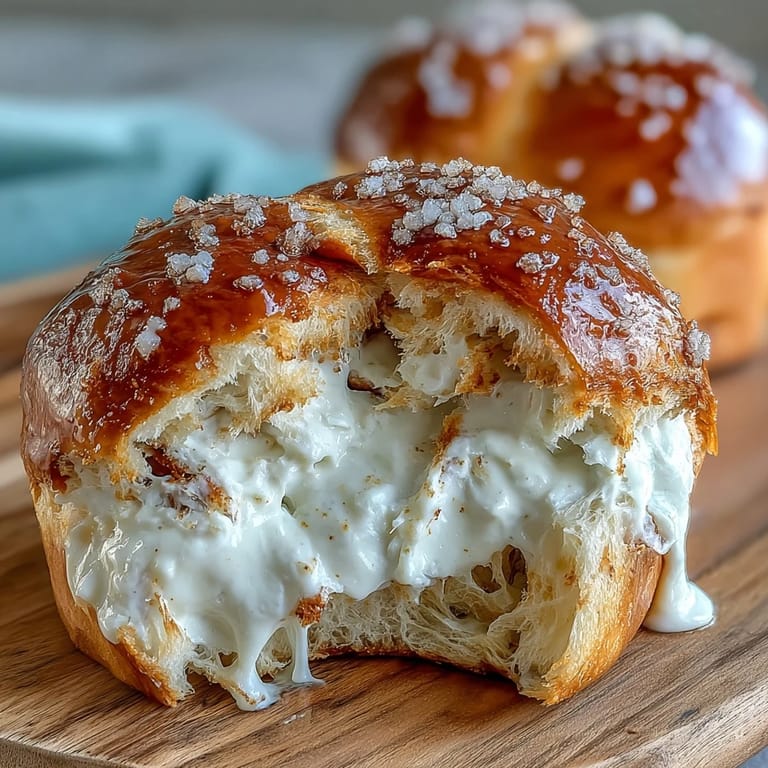 Pin
Pin The first time I pulled a loaf from the oven and heard the gentle crackling as it cooled, I understood why this bread has such a loyal following; it’s not just about eating, but the joy in every part of the process.
The Magic of Tangzhong in Action
Cooking the Tangzhong always feels a bit like magic; transforming a liquid into a thick, pudding-like base that holds moisture for days. That little extra step results in bread that stays soft and springy when the last bite is long gone.
Making It Your Own
Some weekends, I swap in a splash of cream or a dash of vanilla to play with the flavor profile, and both options give the bread new dimensions of richness. It’s the kind of recipe that quietly encourages tiny, personal experiments.
Serving and Storing for Best Results
A thick slice toasted with butter is pure happiness, but this bread also shines in sandwiches or as French toast when it’s a day old. Storing it right lets you extend that fresh-from-the-oven feeling.
- Cool the bread fully before you tuck it away to avoid excess moisture inside.
- If you won’t finish it within three days, freeze the slices for quick breakfasts.
- Resist the urge to refrigerate – it actually makes the loaf dry out faster.
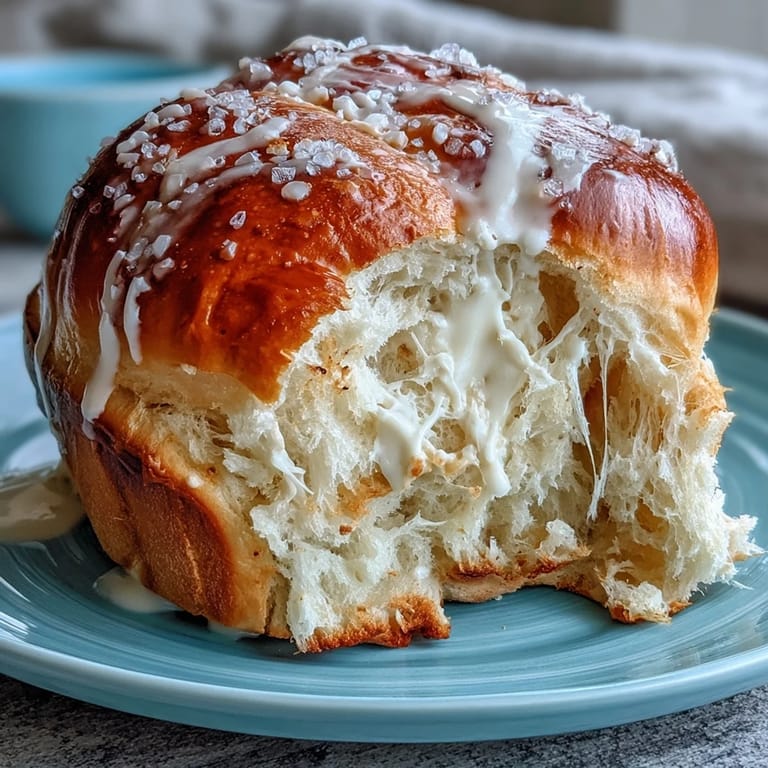 Pin
Pin Whether you’re a first-timer or a seasoned baker, Japanese Milk Bread brings small moments of triumph to the kitchen. Each soft crumb holds a bit of joy – share it generously.
Recipe Q&A
- → What is tangzhong and why use it?
Tangzhong is a cooked flour-and-liquid paste that gelatinizes starches, helping the loaf retain more moisture. It yields a softer crumb and extends freshness without altering flavor.
- → How can I tell when the loaf is fully baked?
A golden brown top and a hollow sound when you tap the bottom indicate doneness. Internal temperature should reach about 190–200°F for a fully baked, tender crumb.
- → Can I substitute active dry yeast for instant yeast?
Yes. If using active dry yeast, proof it in the lukewarm milk first and allow it to bloom (about 5–10 minutes) before adding to the dough. You may need a slightly longer rise time.
- → How do I keep the loaf soft for several days?
Store the cooled loaf in an airtight container or a resealable bag at room temperature. For extra softness, replace a portion of the milk with cream or toast slices briefly before serving.
- → Can I make the loaf without eggs?
Omitting the egg will change the crumb and richness. Replace the egg with 2–3 tablespoons of additional milk and an extra tablespoon of butter for improved tenderness, and expect a slightly different texture.
- → Is freezing the loaf a good option?
Yes. Slice and freeze portions in airtight bags. Thaw at room temperature or gently toast slices from frozen to restore softness and flavor.