 Pin
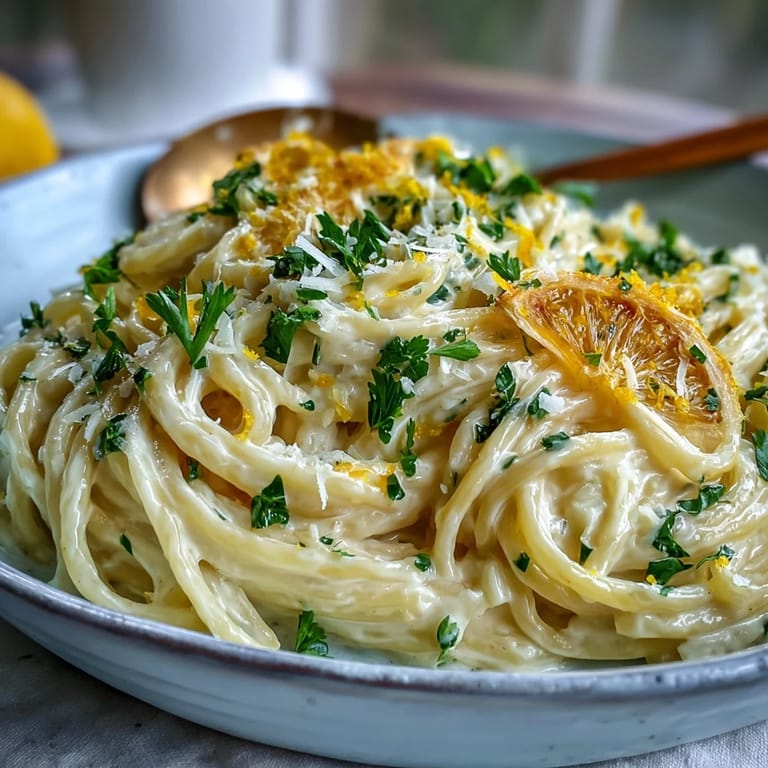
Pin The sharp, sunburst scent of lemon zest always makes me smile, but pair it with creamy cottage cheese in a blender and suddenly the kitchen hums with a lively anticipation. I wasn&t sure what to expect the first time I whirred up this sauce — curiosity, more than tradition, pulled me in. There&s something gleeful about turning a mild cheese into a silken, tangy coat for pasta. Listening to the blender work its magic, I couldn&t help but sneak a spoonful straight from the jar. The taste was light yet lush: a little bit spring, a little bit comfort.
One rainy Tuesday, I made this for lunch when a friend dropped by — we tossed in stray peas from the freezer and shared big bowls right at the kitchen counter. Watching her eyes widen during the first taste, I realized how special the tangy creaminess really is, especially against slurpy hot noodles. We finished the meal talking about how sometimes, the simplest recipes sneak up on you and become instant favorites.
Ingredients
- Cottage cheese (whole milk): Using whole milk cottage cheese gives the smoothest, silkier results — I avoid fat free versions since they can break or taste chalky.
- Milk or pasta cooking water: Either works to thin out the sauce; saved pasta water brings more starch and helps the sauce hug each noodle.
- Parmesan cheese: A microplane grater makes fluffy, meltable clouds that amp up depth and richness here.
- Lemon zest and juice: Zest first, juice second — I carefully avoid the bitter white pith and love how much freshness these add.
- Garlic: Finely minced so it blends in smoothly; raw garlic gives the sauce just enough bite.
- Fresh parsley or basil: Sprinkled on top right before serving, these add color and a hint of grassy freshness (and they make leftovers more inviting).
- Salt, black pepper, red pepper flakes: I add little by little, tasting as I go — balancing tang and heat is half the fun.
- Pasta of choice (cooked): Short or long shapes work, but I like ridged noodles that catch every bit of sauce.
- Extra garnishes (lemon zest, Parmesan, herbs): These final touches make a humble bowl look and taste extra special.
Tired of Takeout? 🥡
Get 10 meals you can make faster than delivery arrives. Seriously.
One email. No spam. Unsubscribe anytime.
Instructions
- Blend up the sauce:
- Add the cottage cheese, milk (or pasta water), Parmesan, lemon zest, lemon juice, garlic, salt, and black pepper to your blender or food processor. Secure the lid and blend until completely creamy — it should look almost as smooth as yogurt, and smell zippy from the lemon.
- Taste and tune:
- Pause and sample the sauce before heating. Adjust salt, pepper, or a little more lemon juice to suit your mood — I like mine especially bright on cloudy days.
- Warm without boiling:
- Pour the blended mixture into a saucepan and set over medium-low, stirring gently as it heats. Take care not to let it reach a simmer — warming is all it needs to shine.
- Toss with pasta:
- Scoop the freshly cooked pasta into the pan with the sauce, and toss quickly to coat. A splash of reserved pasta water keeps it perfectly clinging without being heavy.
- Dress it up and serve:
- Heap the saucy pasta into bowls, then finish with extra lemon zest, a flutter of Parmesan, a shower of red pepper flakes, and a handful of bright herbs. Serve at once — the aroma alone will call everyone to the table.
 Pin
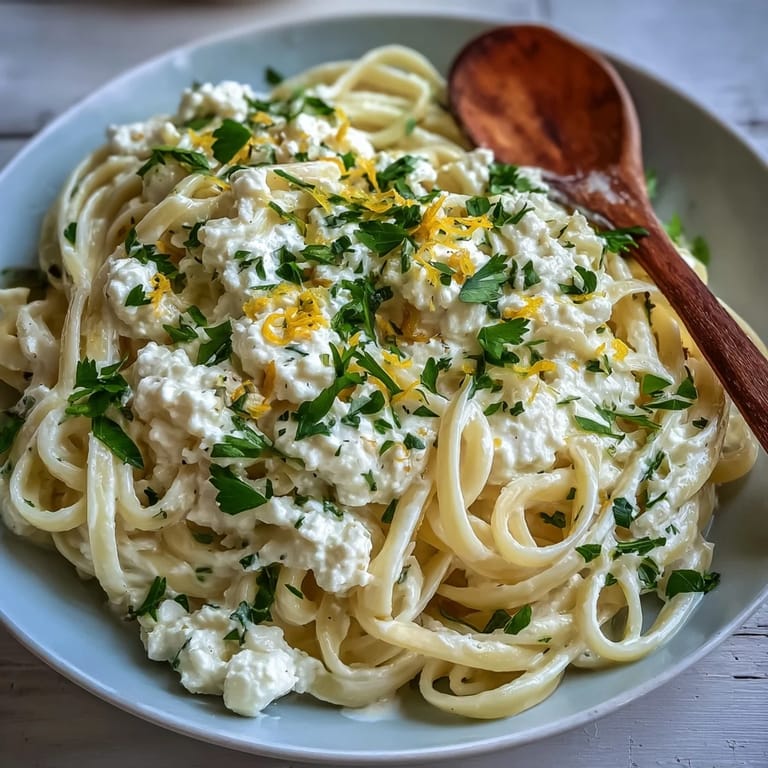
Pin When my sister called unexpectedly and I made this for us, we ended up talking late into the afternoon, our plates scraped clean while the lemon scent lingered in the air. It was simple food, but for those hours, it softened the day around us like a little homemade sunshine.
Swaps and Add-Ins I Love
Sometimes I stir in a handful of steamed spinach or thawed peas for extra color and sweetness, or top it all with roasted broccoli if there&s a sad batch in the fridge. Small, tender veggies blend in beautifully, while greens wilt right into the sauce without losing their charm. Don&t hesitate to try different herbs — dill or chives are delicious too. The sauce itself is a flexible, forgiving base, so you can riff on the season or your cravings.
Making It Vegan or Allergy Friendly
I&ve tested plant-based cottage cheese and swapped in nutritional yeast for Parmesan, and the result stays creamy and lemony if a bit lighter. For gluten-free, just pick a pasta that works for you; rice-based or chickpea varieties grab the sauce nicely. If you use plant milk, go for unsweetened to keep the flavor balanced.
Quick Solutions for Busy Days
When time is tight, I throw everything in the blender, heat just enough to take the chill off, and skip the stovetop entirely. Keeping cottage cheese and a lemon in the fridge means I always have what I need for a fast, satisfying meal.
- Add cooked pasta directly to a skillet with sauce for speedy reheating.
- Leftover sauce doubles as a dip for veggies or spread on toast.
- Use whole wheat or lentil pasta for more protein punch when you need it.
 Pin
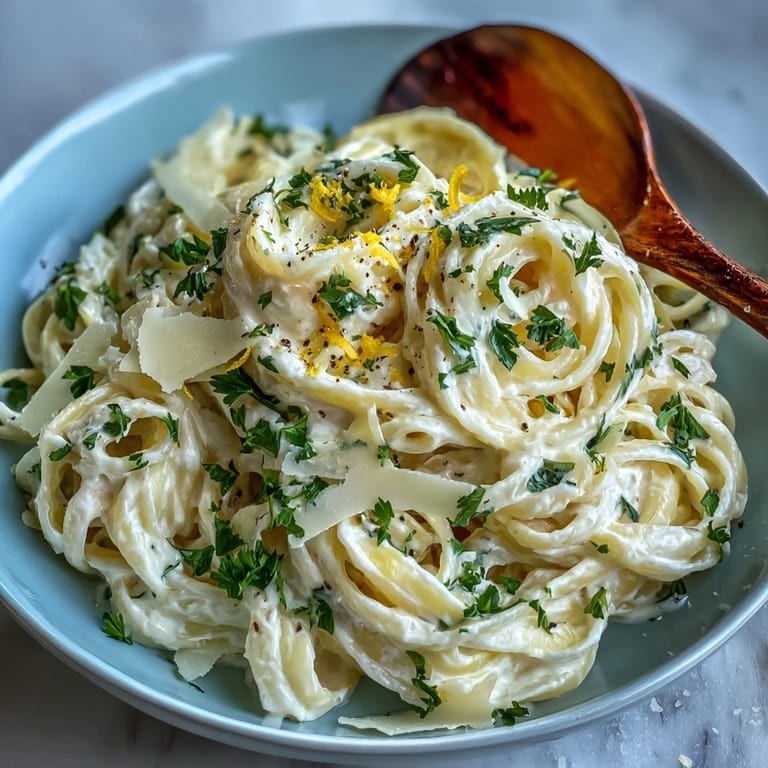
Pin If you try this recipe, I hope it brings the same easy satisfaction and odd spark of sunshine to your mealtime too. Sometimes the best meals are the ones we make up as we go.
Recipe Q&A
- → What texture should the sauce have?
The sauce should be smooth and creamy, easily coating pasta without being too thick or watery.
- → Can I use plant-based alternatives?
Yes, substitute plant-based cottage cheese and nutritional yeast for a vegan-friendly version.
- → How do I adjust the sauce consistency?
Add reserved pasta cooking water gradually until the sauce reaches the desired creaminess.
- → What herbs pair well with this sauce?
Fresh parsley or basil complement the tangy lemon and creamy cheese flavors wonderfully.
- → Should the sauce be boiled?
No, warm the sauce gently over medium-low heat just until heated through to maintain its creamy texture.