 Pin
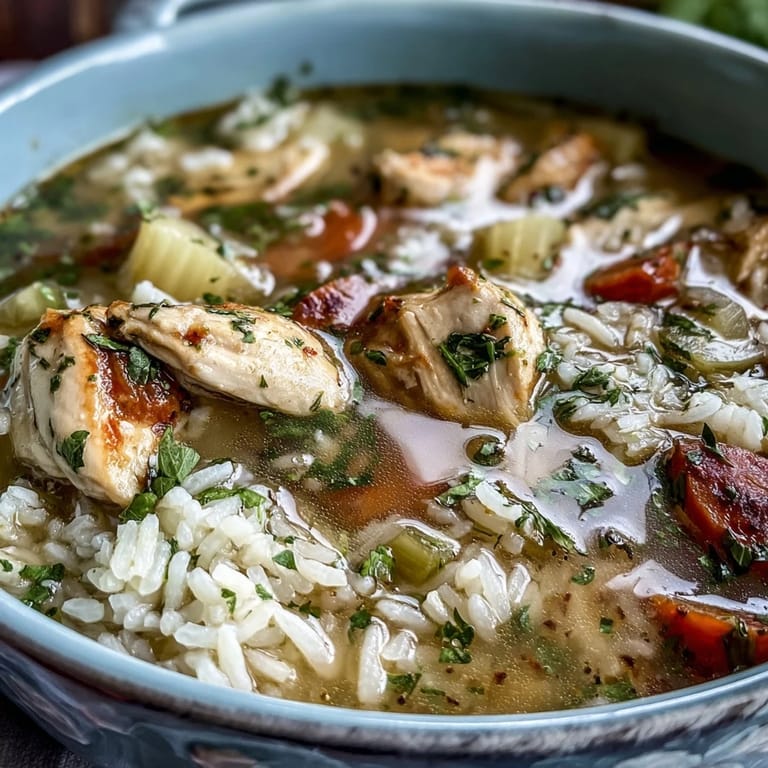
Pin There's something about a pot of simmering soup that transforms a regular afternoon into something quietly restorative. I discovered this particular recipe on a chilly Tuesday when I had almost nothing in the pantry except chicken, rice, and vegetables that needed using up. What started as a reluctant attempt to avoid grocery shopping turned into one of those meals that just works—the kind you find yourself craving without quite knowing why, until you realize it's because it tastes like care feels.
I made this soup for my neighbor when she was under the weather, and I watched her face when she tasted it—the kind of quiet relief that comes from something warm and straightforward when you're not feeling your best. She asked for the recipe the next day, and now whenever we see each other, she mentions how it became her go-to remedy for everything from bad days to good ones.
Ingredients
- Boneless, skinless chicken breasts: Cutting them into bite-sized pieces ensures they cook evenly and distribute throughout the soup instead of leaving you with giant chunks in some spoonfuls and none in others.
- Onion, carrots, and celery: This trio is the flavor foundation, and taking time to chop them properly makes a real difference in how smoothly they soften into the broth.
- Garlic cloves: Minced finely so they release their aroma quickly and disappear into the background rather than overpowering everything.
- Long-grain white rice: Rinsing it first keeps the broth clear instead of cloudy, which matters more than you'd think for how appetizing the finished soup looks.
- Low-sodium chicken broth: This is where the soul of the soup lives, so choose something you'd actually drink on its own if you have the option.
- Olive oil or unsalted butter: Either works beautifully; I use oil most often because it doesn't brown the vegetables as quickly, giving you more control over the flavor development.
- Thyme and bay leaf: Dried herbs here are perfect because fresh ones would lose their brightness during the long simmer, but these two need that slower infusion to shine.
- Fresh parsley: Stirred in at the very end so it stays vibrant and reminds you that this soup is alive, not just warm.
Tired of Takeout? 🥡
Get 10 meals you can make faster than delivery arrives. Seriously.
One email. No spam. Unsubscribe anytime.
Instructions
- Sauté the vegetables gently:
- Heat your oil in the pot over medium heat and let the onion, carrots, and celery cook slowly for about five minutes, stirring now and then so they begin to release their natural sweetness without browning too much. You'll notice the kitchen filling with that unmistakable vegetable fragrance that signals everything is on the right track.
- Wake up the garlic:
- Add your minced garlic and let it cook for just a minute—long enough to smell that pungent, sharp aroma soften into something almost sweet. This single minute is the difference between garlic that tastes alive and garlic that tastes burnt.
- Brown the chicken lightly:
- Push the vegetables to the side and add the chicken pieces, letting them sit for a minute or two without stirring so they develop a light golden exterior. They won't be cooked through yet, but this brief searing gives them a little texture and color.
- Combine everything:
- Stir in the rinsed rice, broth, and seasonings, making sure the rice doesn't clump together at the bottom of the pot. Once everything is combined, you've essentially built your entire meal in one vessel.
- Simmer with patience:
- Bring the soup to a boil, then reduce the heat until it's just barely bubbling at the surface and cover it. Let it cook for twenty to twenty-five minutes, giving it a stir every few minutes so nothing sticks and the flavors meld together evenly.
- Finish and taste:
- Fish out the bay leaf, taste the soup, and adjust the seasoning—sometimes the broth carries more salt than expected, sometimes it needs a bit more. This is your moment to make it exactly right for your palate.
- Garnish and serve:
- Stir in the fresh parsley right before ladling into bowls so it stays green and fresh-looking, and serve with lemon wedges on the side for anyone who wants to add brightness.
 Pin
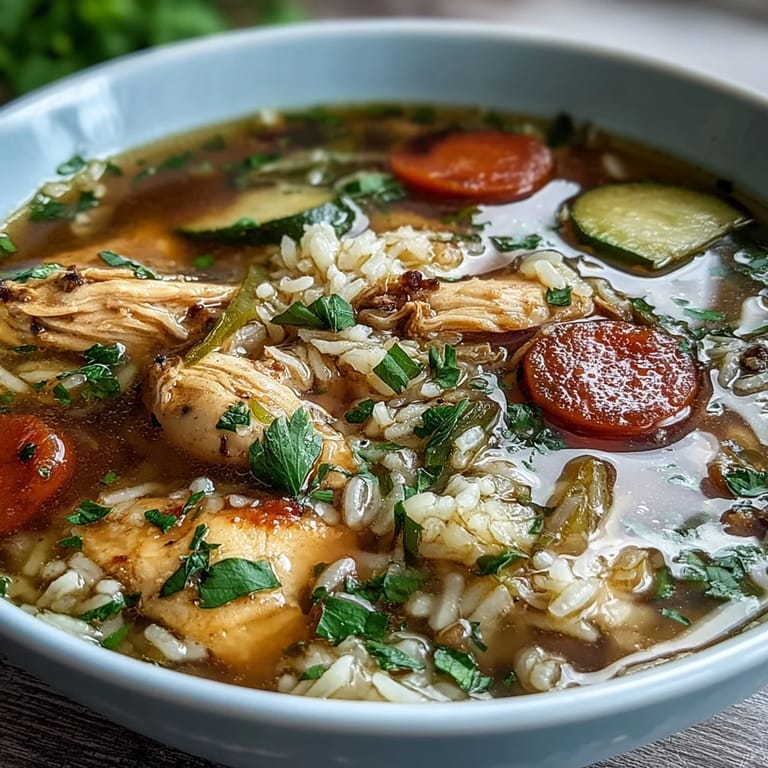
Pin This soup has a way of becoming more than just dinner—it's the thing you make when you want to show up for someone, or when you need to show up for yourself. There's power in simplicity, and this soup understands that.
The Texture Story
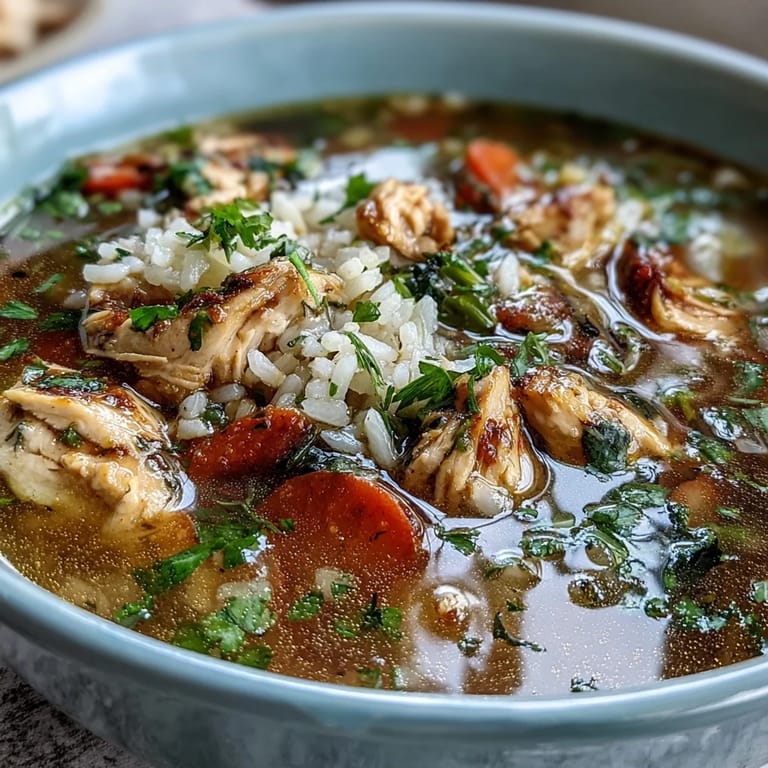
The magic of this soup is in how it transforms while it cooks. At the five-minute mark, your vegetables are still slightly firm. By minute fifteen, they've softened into the background, completely integrated. By the time you reach the finish line, the rice has absorbed enough broth to create a thick, almost creamy consistency without any cream, and the chicken is so tender it practically falls apart on your spoon. It's the kind of textural journey that feels intentional once you understand it's happening, but the first time you make this, it just feels like everything somehow turned out exactly right.
Variations Worth Exploring
This soup is genuinely flexible without losing its identity. I've made it with brown rice on nights when I wanted something earthier and heartier, though fair warning—you'll need to add about another fifteen to twenty minutes to the simmering time and maybe an extra cup of broth because brown rice is thirstier. Spinach or kale stirred in during the last five minutes adds a nutritional boost and bright color without interfering with the delicate balance you've built. Some people swear by adding a Parmesan rind while it simmers, which lends a subtle umami depth that rounds everything out beautifully.
Storage and Reheating Wisdom
Leftovers improve the next day as flavors continue to develop, but here's what you need to know: rice continues absorbing liquid even after the pot comes off the heat, so by the next morning, your soup might have thickened considerably. When reheating, add a splash of broth or water to return it to the consistency you prefer. This soup keeps beautifully in the refrigerator for up to four days, and it actually freezes well if you're looking ahead to weeks when cooking feels like too much effort.
- Add extra broth gradually when reheating so you don't accidentally thin it out too much.
- If you're planning to freeze, slightly undercook the rice so it doesn't become mushy after thawing.
- A squeeze of fresh lemon right before eating brightens the flavors even in day-old soup.
 Pin
Pin This is the kind of soup that teaches you something about cooking if you pay attention—that restraint often yields better results than complexity, and that the simplest ingredients handled with care become something people remember. Make it, enjoy it, and let it become your own.
Recipe Q&A
- → Can I substitute brown rice for white rice?
Yes, brown rice can be used but requires an additional 15–20 minutes of simmering for proper tenderness.
- → How can I add more greens to the soup?
Add spinach or kale during the last 5 minutes of cooking to maintain their vibrant color and texture.
- → Can I use butter instead of olive oil?
Butter can be used for sautéing, adding richness, but note it introduces dairy to the dish.
- → How do I prevent the soup from thickening too much when reheated?
Add extra broth or water when reheating to loosen the consistency as rice absorbs liquid over time.
- → What herbs enhance the flavor of this soup?
Dried thyme and bay leaf provide subtle aromatic depth, complemented by fresh parsley added at the end.
- → Is Parmesan rind necessary for the soup?
It's optional but adds extra savory flavor when simmered; remove before serving.