 Pin
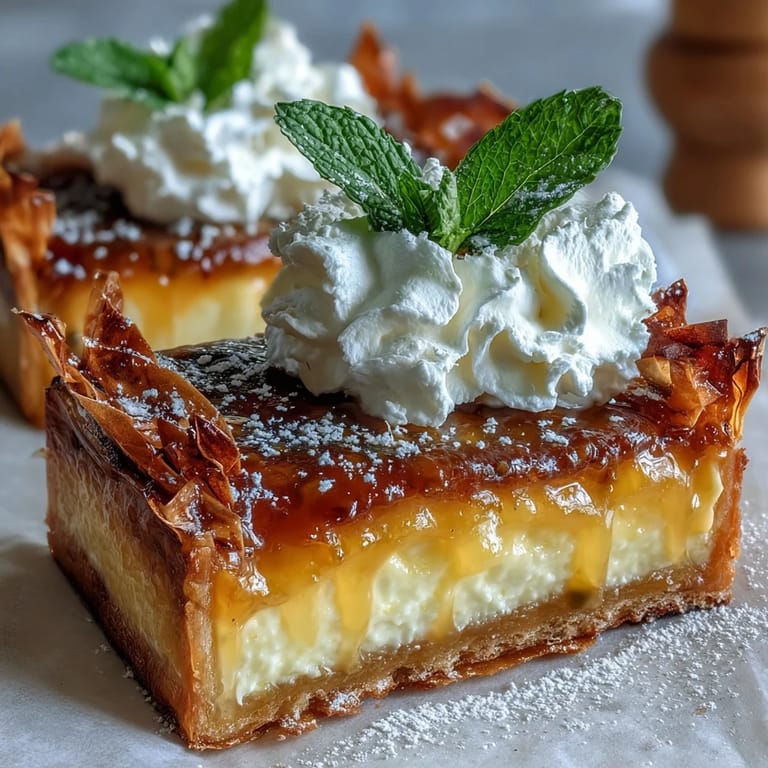
Pin I discovered passionfruit curd almost by accident one summer afternoon when a friend arrived with a bag of wrinkled, heavy fruits from her garden and no idea what to do with them. We stood in the kitchen passing them back and forth, mesmerized by their perfumed insides, and I found myself whisking them into a silky custard almost without thinking. That first tart, hastily assembled in a phyllo shell because it was what we had on hand, became the thing people asked me to make again and again. There's something about the way those tart, floral notes cut through the buttery richness that just feels like sunshine on a plate.
I'll never forget the dinner party where I served this tart for the first time to my skeptical in-laws, people who usually nod politely through dessert and ask about coffee. My mother-in-law took one bite, closed her eyes, and asked if I'd made it myself or if I was hiding a French pastry chef in the pantry. That moment, watching people genuinely pause their conversations because something on a plate had captured their full attention, changed how I thought about cooking for others.
Ingredients
- Phyllo pastry (8 sheets): These paper-thin layers are the secret to a crust that shatters delicately rather than crumbles, and they're infinitely more forgiving than puff pastry if you're nervous about lamination.
- Unsalted butter (80 g for crust, 90 g for curd): Using unsalted butter gives you control over the salt balance, and brushing it between each phyllo layer creates those golden, crispy edges that make people reach for seconds.
- Granulated sugar (2 tbsp for crust, 100 g for curd): The sugar on the phyllo caramelizes slightly during baking, adding a subtle depth, while the curd sugar needs to be fully dissolved to avoid any grittiness.
- Passionfruit pulp (120 ml from about 8 fruits): Fresh pulp is non-negotiable here; frozen works in a pinch but the flavor becomes muted, so strain out the seeds only if you find them distracting rather than charming.
- Eggs (3 large): Room temperature eggs emulsify more smoothly into the curd, creating that silky texture rather than something that feels curdled or grainy.
- Lemon juice (1 tbsp): This brightens the passionfruit without announcing itself, preventing the curd from tasting too one-note or heavy.
- Heavy whipping cream (250 ml): Chill your bowl and beaters beforehand; cold equipment makes the difference between whipped cream and butter.
- Fresh mint leaves: Use these liberally, bruising them slightly between your fingers to release their oils just before placing them on the plate.
Tired of Takeout? 🥡
Get 10 meals you can make faster than delivery arrives. Seriously.
One email. No spam. Unsubscribe anytime.
Instructions
- Prepare your stage:
- Preheat the oven to 180°C and grease your tart pan thoroughly, paying special attention to the seams where phyllo loves to stick. Have your melted butter in a small bowl and your pastry brush ready; these sheets dry out faster than you'd expect once you open the package.
- Build the phyllo shell:
- Lay the first sheet in the pan and brush it generously with melted butter, then dust it with a pinch of sugar; as you layer, rotate each sheet slightly so the overhang creates an uneven, rustic border that looks intentional rather than accidental. The butter and sugar will caramelize together, creating those shards of flavor that make people wonder what you did differently.
- Blind bake the crust:
- Once all sheets are layered, trim or fold the edges neatly, then cover the phyllo with parchment and fill it with pie weights or dried beans to keep it from puffing up into a dome. Bake for 12 minutes with the weights, remove them carefully, and bake another 8 to 10 minutes until the whole thing is golden and making crispy sounds when you tap it.
- Make the curd magic:
- Whisk your passionfruit pulp, sugar, eggs, lemon juice, and salt together in a heatproof bowl, then set that bowl over a pot of barely simmering water—the water shouldn't touch the bottom of the bowl, and the steam should be gentle enough that you could hold your hand over it without flinching. Stir constantly and patiently; you'll feel the mixture begin to thicken around the 8-minute mark, and you'll know it's done when it coats the back of a spoon and you can drag your finger through it.
- Finish the curd with butter:
- Once thickened, remove the bowl from heat and whisk in the butter a few cubes at a time, letting each piece melt into glossy smoothness before adding the next. The butter transforms the curd from something merely smooth into something luxuriously silky and rich.
- Cool and chill:
- Let the curd cool for a few minutes, then pour it into your crisp phyllo shell and transfer the whole tart to the refrigerator for at least 2 hours; this time is when the flavors settle and meld, and the curd sets to exactly the right consistency. Overnight is even better if you have the patience.
- Top with clouds:
- Just before serving, whip your chilled cream with powdered sugar and vanilla until it reaches soft peaks—you want pillows of cream, not stiff peaks that taste like you over-whipped them. Dollop generously over each slice and scatter fresh mint on top.
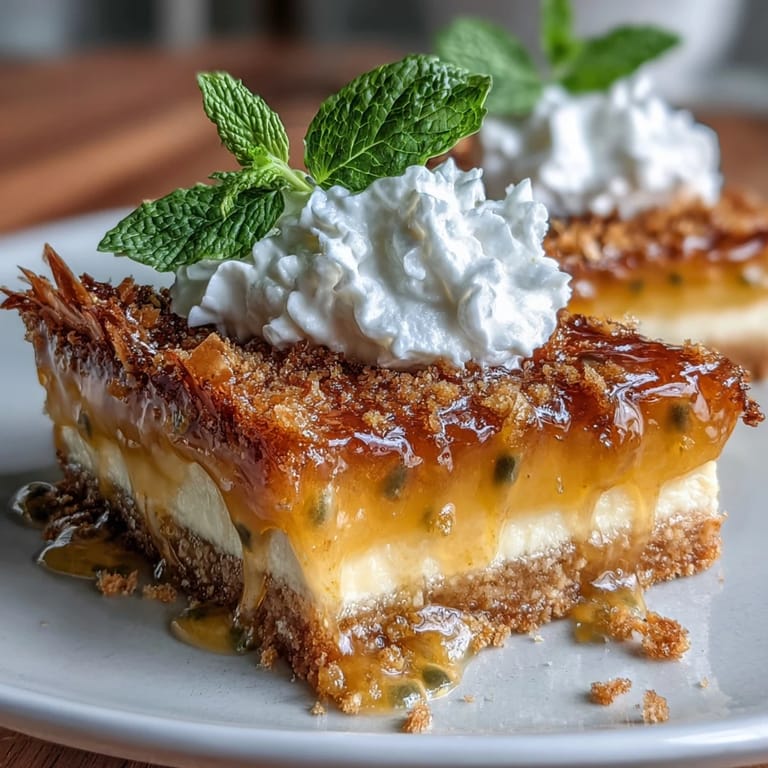 Pin
Pin There was a morning, the day after I'd made this tart for a small gathering, when I found my teenage daughter reheating a leftover slice at seven in the morning and eating it slowly, savoring each bite before school. She didn't ask permission; she just quietly claimed that last piece as hers, and I let her, understanding without words that this dessert had become something she needed to remember that day.
The Art of Working with Phyllo
Phyllo intimidates most home cooks, but the truth is that it's far more forgiving than its delicate appearance suggests. I spent years buying it and then being too nervous to use it, watching those packages expire in my freezer until I finally decided that the worst thing that could happen was a slightly crumbly tart. Once I realized that rusticity reads as intentionality in a home kitchen, I became braver with it. The butter brushed between layers doesn't have to be perfectly even; in fact, the uneven spots crisp up faster and create those little flavor explosions that make people lean forward and ask what you did.
Passionfruit: A Fruit Worth the Effort
Cutting open a passionfruit and encountering that fragrant, seed-filled interior is a small sensory experience that never gets old. The flavor is impossible to describe accurately—it's tart but not sharp, floral but not perfumy, and somehow both light and deeply satisfying at the same time. If you can't find fresh passionfruit, frozen pulp works adequately, though something intangible gets lost in the freezing; if you do find fresh fruit, let them sit on the counter for a day or two until they're wrinkled and heavy, because that's when the flavor is at its most concentrated.
Making This Tart Your Own
The beauty of this recipe is that it welcomes gentle variations without losing its soul. I've made it with a shortcrust pastry base for dinner guests who find phyllo fussy, and while the texture is entirely different, the passionfruit curd still shines. I've swapped the mint garnish for edible flowers from the garden, and I've even drizzled the whipped cream with a tiny bit of honey instead of relying solely on vanilla. The constants—that tart, luxurious curd and the textural contrast—remain satisfying no matter what you adjust.
- A classic sweet shortcrust is a reliable substitute if phyllo feels intimidating, though you'll sacrifice that delicate shattering quality.
- Meyer lemons make an interesting addition to the curd if you want to mute the tartness slightly, swapping them for half the passionfruit pulp.
- Whipped coconut cream works beautifully for dairy-free versions, though the flavor profile shifts in subtle, delicious ways.
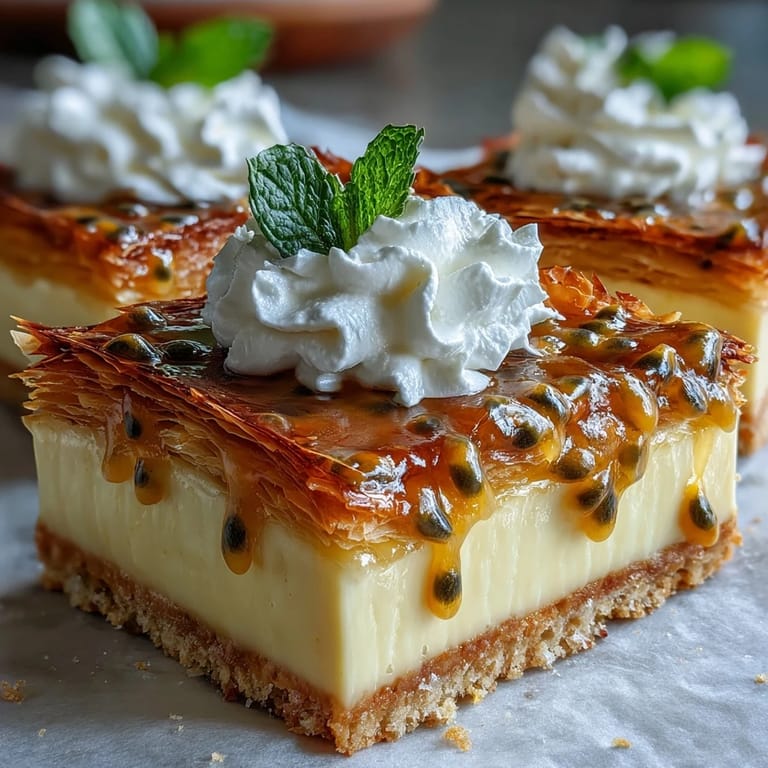 Pin
Pin This tart has become my go-to dessert for moments when I want to impress people without spending my entire day in the kitchen. It tastes like something you've been perfecting for years, even if you've just made it for the first time.
Recipe Q&A
- → How do I prevent the phyllo crust from becoming soggy?
Brush each phyllo sheet generously with melted butter and bake it until golden and crisp before adding the curd. This creates a barrier that helps maintain the crust's crispness.
- → Can I strain the passionfruit pulp before cooking?
Yes, straining removes seeds for a smoother curd, resulting in a more delicate texture and presentation.
- → What is the best way to cook the passionfruit curd?
Use a double boiler over simmering water to gently thicken the curd while stirring constantly, ensuring it doesn’t curdle or overcook.
- → How long should I chill the tart before serving?
Chill the tart for at least two hours to allow the curd to set firmly and the flavors to meld properly.
- → How can I make the whipped cream topping more stable?
Chill the cream and mixing bowl beforehand, whip cream with powdered sugar and vanilla until soft peaks form to maintain a light, stable texture.
- → Are there alternative crust options for this tart?
You can substitute the phyllo crust with a classic sweet shortcrust pastry for a different texture and flavor profile.