 Pin
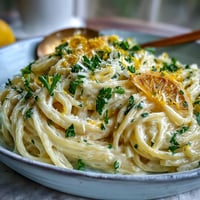
Pin The smell of toasted black pepper hit me before I even saw the pan. My neighbor Maria was at the stove, swirling spaghetti with one hand and grating cheese with the other, moving like she'd done it ten thousand times. She told me real cacio e pepe has no cream, no butter, just three ingredients and the nerve to believe they'll become something magic. I watched her toss that pasta with the confidence of someone who knows exactly when to add water and when to pull back.
I made this for my brother on a Tuesday night when he showed up unannounced and hungry. He sat at the counter, skeptical that pasta with just cheese and pepper could be worth the hype. Then he took a bite and got quiet in that way people do when food surprises them. He finished two bowls and asked if I'd been hiding this from him on purpose.
Ingredients
- Spaghetti (400 g): The long strands hold onto the creamy sauce better than short pasta, and their texture is perfect for twirling into each peppery, cheesy bite.
- Pecorino Romano cheese (120 g, finely grated): This is the soul of the dish, salty and sharp, and it must be freshly grated or it won't melt into that silky sauce you're after.
- Freshly cracked black pepper (2 tsp, plus extra): Toasting it wakes up oils you didn't know were there, turning simple pepper into something almost floral and bold.
- Salt: For the pasta water, because undersalted water means undersalted pasta, and there's no fixing that later.
Tired of Takeout? 🥡
Get 10 meals you can make faster than delivery arrives. Seriously.
One email. No spam. Unsubscribe anytime.
Instructions
- Boil the Pasta:
- Bring a large pot of salted water to a rolling boil, add the spaghetti, and cook until just al dente, making sure to save a full cup of that starchy pasta water before you drain. That water is your secret weapon for the sauce.
- Toast the Pepper:
- In a large skillet over low heat, toast the black pepper for a minute or two until it smells warm and fragrant, careful not to let it burn. This step changes everything.
- Build the Base:
- Pour about half a cup of the reserved hot pasta water into the skillet with the toasted pepper and let it simmer gently. The water should look cloudy and full of promise.
- Toss the Pasta:
- Add the drained spaghetti to the skillet and toss it around in the peppery water until every strand is coated. Work quickly and keep the heat low.
- Create the Sauce:
- Sprinkle in the Pecorino Romano a little at a time, tossing and stirring constantly until the cheese melts into a creamy sauce, adding more pasta water whenever it looks tight or clumpy. The goal is silky, not sticky.
- Serve Hot:
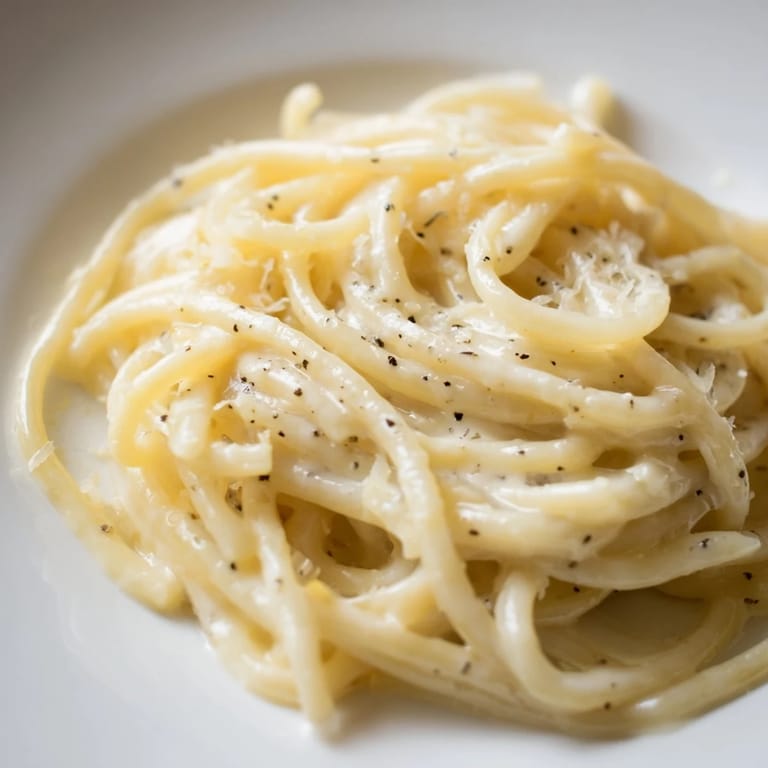
- Plate immediately and top with extra cheese and a generous crack of black pepper. This dish waits for no one.
 Pin
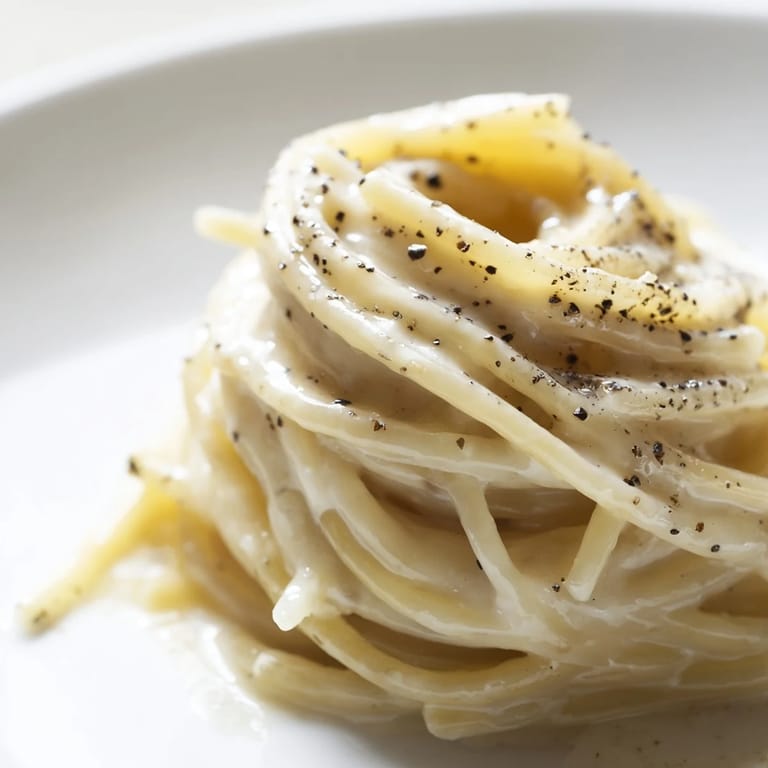
Pin There was a night I made this for friends who didn't think they liked simple food. They kept asking what else was in it, convinced I was holding back some hidden ingredient. When I told them it was just cheese, pepper, and pasta water, one of them looked genuinely betrayed, like I'd pulled off a trick they couldn't figure out.
Choosing Your Cheese
Pecorino Romano is traditional for a reason, its sharpness and salt level are exactly what this dish needs. If you swap it for Parmigiano Reggiano, the flavor will be milder and a little sweeter, which isn't wrong but it's a different dish. I've also seen people mix the two, using mostly Pecorino with a bit of Parm to soften the edge. Whatever you choose, grate it yourself right before you cook, because that's where the creaminess comes from.
Getting the Sauce Right
The key is temperature and motion. If your pan is too hot, the cheese will break and turn grainy. If you don't toss enough, it won't emulsify. I learned this the hard way, standing over a pan of clumpy spaghetti, wondering what I'd done wrong. The answer was everything: too much heat, not enough water, and I'd dumped the cheese in all at once like I was in a hurry. Now I keep the heat low, add cheese in small handfuls, and toss like my life depends on it.
Serving and Pairing
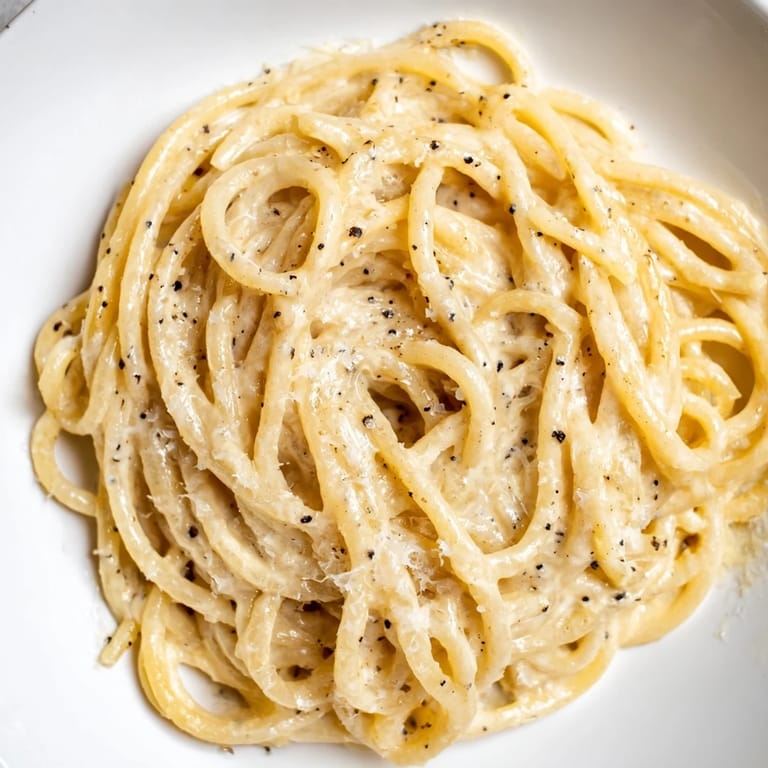
This is the kind of dish that belongs in a shallow bowl, twirled high and topped with an almost obscene amount of pepper. It's rich enough to be the whole meal, but if you want to stretch it, serve it with a simple green salad dressed in lemon and olive oil. A crisp white wine like Vermentino or Pinot Grigio cuts through the richness without competing with the pepper.
- Serve it immediately, because the sauce tightens as it cools and loses that glossy magic.
- If you have leftovers, reheat gently with a splash of water or broth to bring the sauce back to life.
- Don't skip the extra pepper on top, it's not just garnish, it's part of the experience.
 Pin
Pin This dish taught me that simplicity isn't easy, it just looks that way when you get it right. Every time I make it, I remember that the best food doesn't need to be complicated, it just needs to be honest.
Recipe Q&A
- → Why does the cheese create a creamy sauce without cream?
The starch in the reserved pasta water emulsifies with the grated Pecorino Romano, creating a silky sauce. This starch acts as a natural binder, allowing the cheese to distribute evenly and coat the pasta without clumping.
- → Can I use pre-grated Pecorino Romano?
For best results, use freshly grated Pecorino Romano. Pre-grated cheese contains anti-caking agents that prevent proper melting and sauce formation, compromising the dish's signature creamy texture.
- → What if my sauce becomes too thick?
Add more reserved pasta water gradually while tossing vigorously. The starchy water helps loosen the sauce and maintains the creamy consistency. Work in small increments to achieve the desired silky texture.
- → Can I substitute Parmigiano Reggiano for Pecorino Romano?
Yes, Parmigiano Reggiano works as a substitute, though it creates a milder, less salty flavor profile. For authentic results, stick with Pecorino Romano, which has a sharper, more distinctive taste.
- → Why is it important to reserve pasta water before draining?
Pasta water contains valuable starches essential for emulsifying the cheese and pepper into a cohesive sauce. Reserve at least one cup before draining to ensure you have enough to achieve the proper consistency.
- → How do I know when to add the spaghetti to the skillet?
Add the drained spaghetti immediately after toasting the pepper and allowing the pasta water to simmer. Work quickly to prevent the pepper from burning and to maintain the proper temperature for creating the creamy sauce.