 Pin
Pin The first time I tasted döner meat, it wasn't in Turkey—it was at a small corner shop in Berlin on a cold November evening when I'd gotten hopelessly lost. The vendor, a man with kind eyes, assembled my sandwich with such care that I realized this wasn't street food, it was an art form. That night, watching the meat rotate on the spit, seeing how the exterior crisped while the inside stayed tender and juicy, I decided I had to figure out how to make it at home. Years later, I've learned that you don't need that iconic vertical spit to capture that magic—just patience, the right spices, and a willingness to layer flavors like a baker layers cake.
I remember the day my neighbor smelled it cooking and stood at my kitchen door, eyes closed, just breathing in the cumin and paprika. When I offered her a plate, she took one bite and said, "You're never cooking anything else again, are you?" She was half-joking, but I understood—this dish has a way of becoming the thing people ask for.
Ingredients
- Boneless lamb shoulder or beef sirloin, thinly sliced (1 kg): Lamb gives you authentic döner flavor with a natural richness, while beef offers a leaner option; slice it as thin as you can manage or ask your butcher to do it for you.
- Lamb fat or beef fat, thinly sliced (100 g, optional): This is what creates those crispy, golden edges and keeps everything moist inside—don't skip it if you can find it, though the dish works without it.
- Plain Greek yogurt (150 g): The tangy base that tenderizes the meat and carries every spice deep into each layer.
- Olive oil (3 tbsp): Use something you actually like tasting, not your cheapest bottle.
- Garlic, minced (3 cloves): Fresh is non-negotiable here; jarred just doesn't have the same punch.
- Large onion, grated with juice squeezed out (1): Grating instead of chopping gives you moisture and umami without chunks that won't cook evenly.
- Ground cumin (2 tsp): This is the spine of the spice blend—it's what makes döner smell like döner.
- Ground coriander (2 tsp): The subtle floral note that keeps it from being one-dimensional.
- Sweet paprika (2 tsp): Bring good paprika if you can; it's the difference between meh and memorable.
- Smoked paprika (1 tsp): This mimics that charred spit flavor you get from a rotisserie.
- Ground black pepper (1 tsp): Freshly ground makes a real difference.
- Salt (1 ½ tsp): Start here, taste at the end, adjust if needed.
- Ground cinnamon (½ tsp): Just enough to whisper warmth without being noticeable.
- Chili flakes, optional (½ tsp): Add if you like a gentle heat that lingers.
Tired of Takeout? 🥡
Get 10 meals you can make faster than delivery arrives. Seriously.
One email. No spam. Unsubscribe anytime.
Instructions
- Build your flavor base:
- In a large bowl, whisk together the yogurt, olive oil, minced garlic, grated onion, and every single spice until it looks like a thick, fragrant paste. Take a moment to smell it—if you can already taste what's coming, you're on the right track.
- Coat the meat thoroughly:
- Add your sliced meat and fat to the marinade and toss until every piece is covered in that spiced yogurt mixture. This is meditative work—use your hands, make sure nothing is missed, then cover and let it rest in the fridge for at least 4 hours, though overnight is when the magic really happens.
- Get your oven ready:
- Preheat to 200°C (400°F) and position a rack so you can place a baking tray underneath your meat to catch all those precious juices.
- Stack your meat:
- If you have metal skewers, thread the marinated meat tightly onto them, pressing down as you go to form a compact stack—this is what creates those crispy edges. If you don't have skewers, layer it tightly in a loaf pan and it will work almost as well.
- Roast and baste:
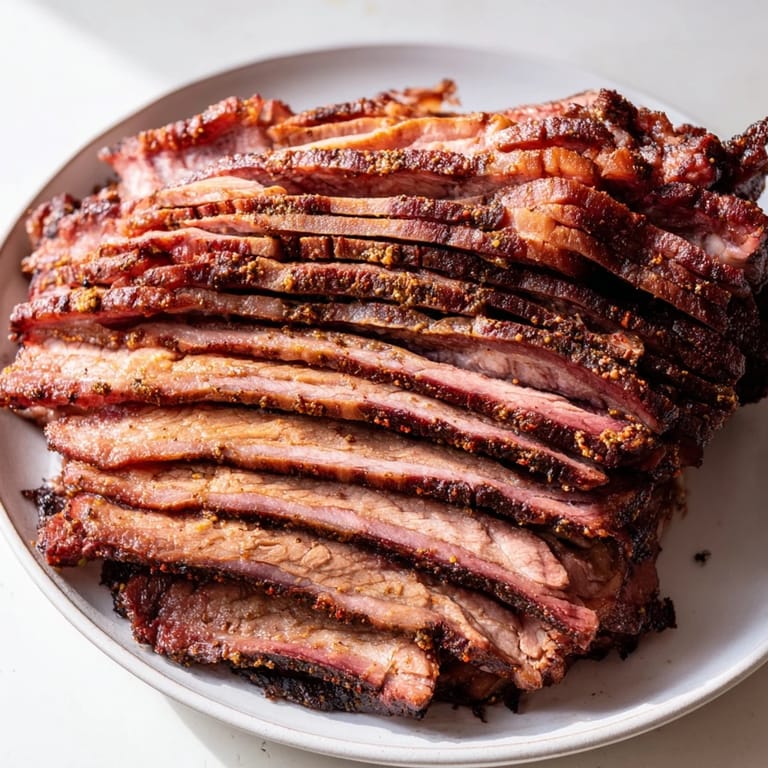
- Place your stack on a rack over the tray and roast for about an hour, spooning the pan juices over the top every 15 minutes or so. In the last 15 minutes, crank the heat to 220°C (430°F) to get that deep brown color.
- Rest and slice:
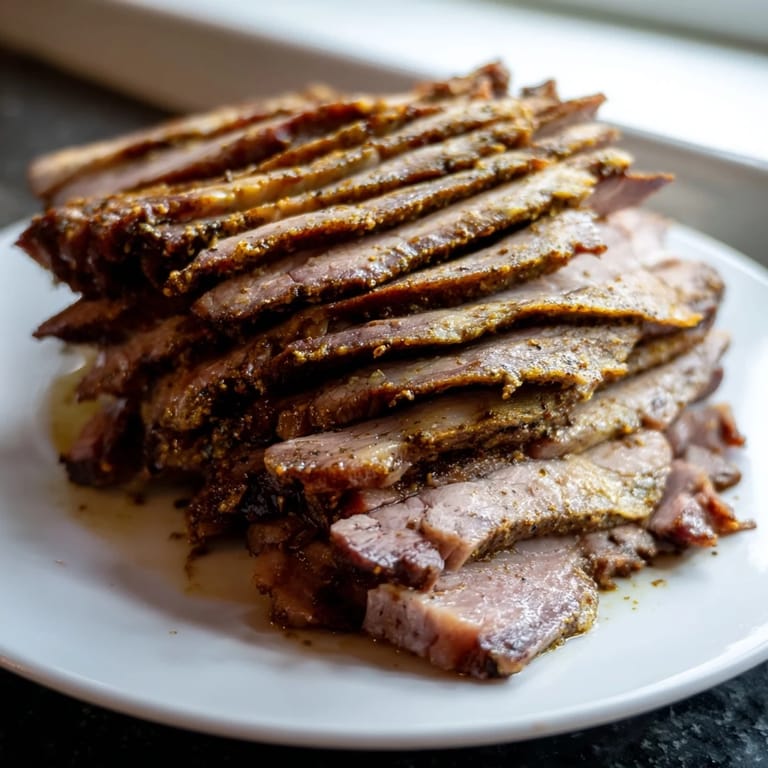
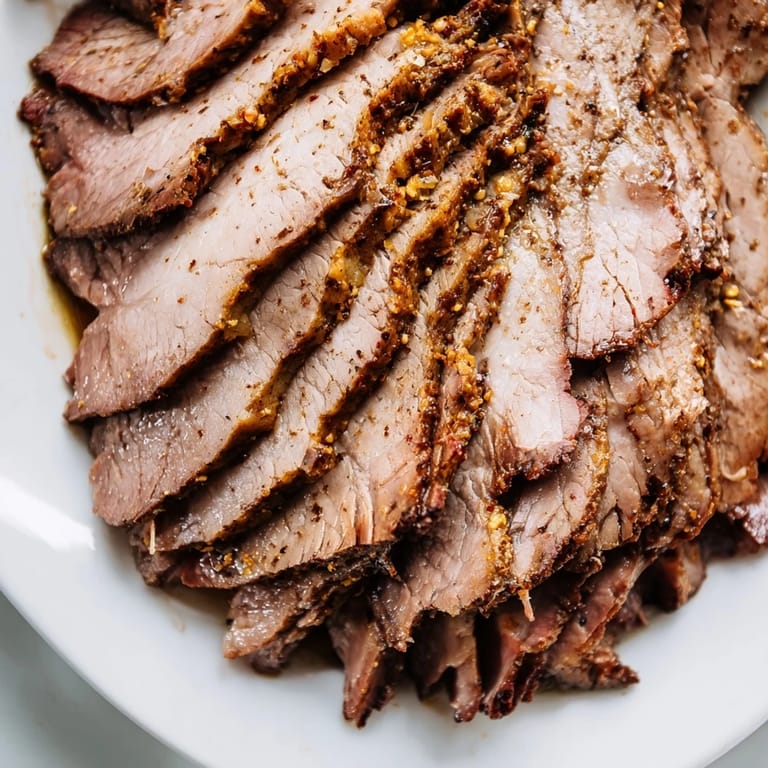
- Let it cool for 10 minutes—this sounds short, but it lets the juices settle so your meat doesn't fall apart. Use a sharp knife to slice it as thin as you can, working at an angle for those beautiful shards.
- Serve while it's warm:
- This is the moment everything was building toward—warm pita, fresh vegetables, sauce, meat still steaming.
 Pin
Pin There's a moment after the meat comes out of the oven when the kitchen is filled with this warm, spiced steam, and you know you've created something worth the wait. That's when döner stops being a recipe and becomes a memory you're about to make.
Why Marinating Overnight Changes Everything
The difference between four hours and overnight is the difference between good and transcendent. When you give the yogurt and spices time to really penetrate the meat, something almost alchemy-like happens—the meat becomes impossibly tender, and every bite tastes like it's been infused with flavor rather than just coated. I learned this the hard way by rushing once, and the texture was completely different. Now I always marinate the night before, which also means I can have dinner on the table with minimal effort the next day.
How to Serve It Like a Proper Meal
While döner in flatbread is classic, I've found it's equally stunning over warm rice with a simple cucumber salad on the side, especially when you drizzle everything with the pan juices. The freshness of the vegetables matters here—wilted lettuce and mealy tomatoes will disappoint you. If you can find good quality pita or Turkish flatbread at a bakery rather than pre-packaged, it makes a real difference. A dollop of garlicky yogurt sauce is non-negotiable, whether you make it yourself or buy it.
Storage and Reheating Tips
Leftovers actually improve in flavor after a day in the fridge, and they're one of those rare things that reheat beautifully—gently warming sliced meat in a pan with a splash of water brings back that tenderness without drying it out. You can also freeze marinated meat for up to a month, which means you can prep this on a lazy Sunday and have restaurant-quality döner ready whenever you want it. One more thing: if you're serving a crowd, this scales up perfectly, and your guests will think you've been cooking all day.
- Store leftovers in an airtight container and they'll keep for up to four days in the fridge.
- Reheat gently in a pan over medium heat with a tablespoon of water to keep it moist, not in the microwave.
- Freeze the marinated meat before cooking if you want to make this on your own schedule.
 Pin
Pin Making döner at home taught me that the best meals aren't the ones that look fancy—they're the ones that smell like care and taste like generosity. This dish does both.
Recipe Q&A
- → What cuts of meat work best for this preparation?
Boneless lamb shoulder or beef sirloin sliced thinly are ideal for tenderness and flavor.
- → How long should the meat be marinated?
For best results, marinate the meat for at least 4 hours or preferably overnight to allow flavors to penetrate deeply.
- → Can this be cooked without a vertical rotisserie?
Yes, layering the meat on skewers or in a loaf pan and roasting in the oven replicates the slow-cooking effect.
- → What spices contribute to the distinctive flavor?
Ground cumin, coriander, sweet and smoked paprika, black pepper, and a hint of cinnamon give the dish its characteristic aroma.
- → How should the meat be served for an authentic experience?
Serve thin slices with warm pita or flatbread alongside fresh tomatoes, onions, lettuce, cucumbers, and yogurt or garlic sauce.
- → Are there suitable variations for lighter options?
Using chicken thighs instead of lamb or beef provides a lighter alternative while maintaining flavor.