 Pin
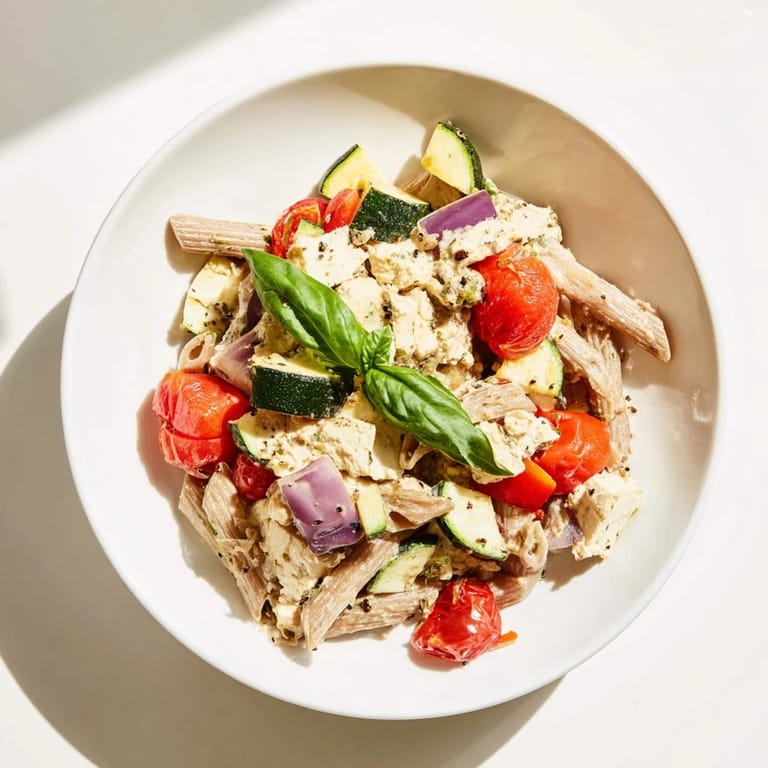
Pin Last summer, I was scrolling through my phone while waiting for water to boil when this baked feta pasta trend kept popping up everywhere. The videos made it look so effortless—just throw things in a pan, watch the cheese melt into this golden cream. I was skeptical it could taste as good as it looked, but the first time I tried it, something clicked. The softened feta mixed with roasted tomato juice created this sauce that felt almost luxurious, nothing like the dry, crumbly feta I'd grown up with. I knew I had to make my own version, one that felt less indulgent but just as satisfying.
I made this for my roommate one evening when she'd had a terrible day at work. She came home to the apartment smelling like warm oregano and charred tomatoes, and I remember watching her whole mood shift the moment she sat down with a bowl. She didn't say much at first, just kept twirling pasta, and then she looked up and said, 'This is exactly what I needed.' That's when I realized this wasn't just a trendy pasta dish—it was the kind of food that showed up for people.
Ingredients
- Reduced-fat feta cheese block (200 g): Buy it as a block, not crumbled—the block melts into a creamy sauce while crumbles stay grainy and separate.
- Cherry tomatoes, halved (400 g): Their natural sugar caramelizes in the oven and becomes the base of your sauce, so use ripe ones if you can find them.
- Zucchini, diced (1 medium): Zucchini softens beautifully when roasted and adds moisture that helps the feta cream come together.
- Red bell pepper, diced (1): The sweetness balances the saltiness of the feta and keeps the dish from feeling one-note.
- Red onion, sliced (1 small): Don't skip this—onions add a subtle sharpness that rounds out the entire dish.
- Garlic, minced (2 cloves): Add it after roasting, not before, so it doesn't burn and turn bitter while the vegetables cook.
- Extra-virgin olive oil (2 tbsp): This is your secret weapon for richness without heaviness; good quality makes a real difference here.
- Dried oregano (1 tsp): Mediterranean herbs are non-negotiable—they're what make this feel like comfort food rather than a salad dressed up.
- Crushed red pepper flakes (½ tsp, optional): A tiny pinch adds warmth and complexity without making it spicy.
- Salt and freshly ground black pepper: Season the vegetables generously before roasting; this is when they absorb the most flavor.
- Whole-grain penne or fusilli (300 g): The texture of whole grain catches the sauce better than smooth pasta and adds a nuttiness that pairs with roasted vegetables.
- Fresh basil leaves: Use them as a final garnish to add brightness and a reminder that this dish is fundamentally about vegetables, not cream.
Tired of Takeout? 🥡
Get 10 meals you can make faster than delivery arrives. Seriously.
One email. No spam. Unsubscribe anytime.
Instructions
- Get your oven ready and prep the vegetables:
- Preheat to 200°C (400°F) while you halve the cherry tomatoes and dice the zucchini, bell pepper, and onion. This takes about 10 minutes, and having everything ready before you touch the baking dish is what separates a smooth cooking experience from a frantic one.
- Build your vegetable base:
- Combine all the vegetables in a large baking dish, drizzle with olive oil, then sprinkle with oregano, red pepper flakes if using, salt, and pepper. Toss everything until the vegetables are evenly coated—this ensures they'll caramelize rather than steam.
- Nestle the feta and roast:
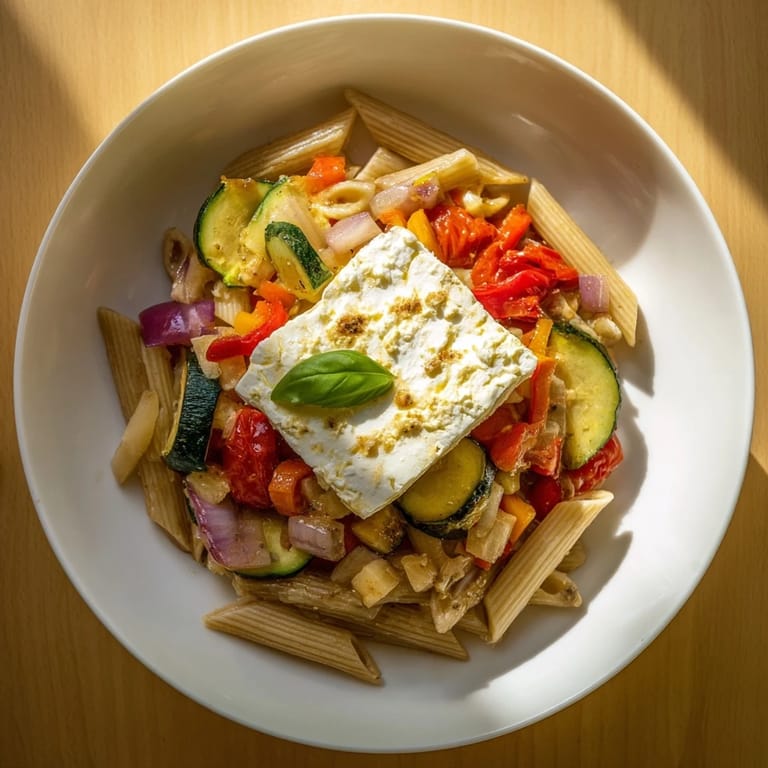
- Place the feta block right in the center of the vegetables, give it a small drizzle of olive oil on top, then slide the dish into the oven for 25–30 minutes. You'll know it's done when the vegetables are soft and starting to char at the edges and the feta block looks golden and wobbly.
- Cook the pasta simultaneously:
- While the vegetables roast, bring a large pot of salted water to a boil and cook the whole-grain pasta according to package directions. Before you drain it, scoop out about ½ cup of that starchy cooking water—it's liquid gold for tightening up your sauce later.
- Bring it all together:
- Remove the hot baking dish from the oven and add the minced garlic directly to the warm vegetables and feta. Using the back of a wooden spoon, gently mash the softened feta into the vegetable juices, mixing everything until it becomes a creamy, chunky sauce.
- Marry the pasta with the sauce:
- Add the drained cooked pasta to the baking dish along with a splash of reserved pasta water. Toss gently until every piece of pasta is coated in the creamy feta-vegetable mixture, adding more pasta water if it seems too thick.
- Serve with intention:
- Transfer to bowls or plates and scatter fresh basil leaves over the top right before serving. The basil isn't just a garnish—it adds a peppery freshness that reminds you this is a vegetable-forward dish.
 Pin
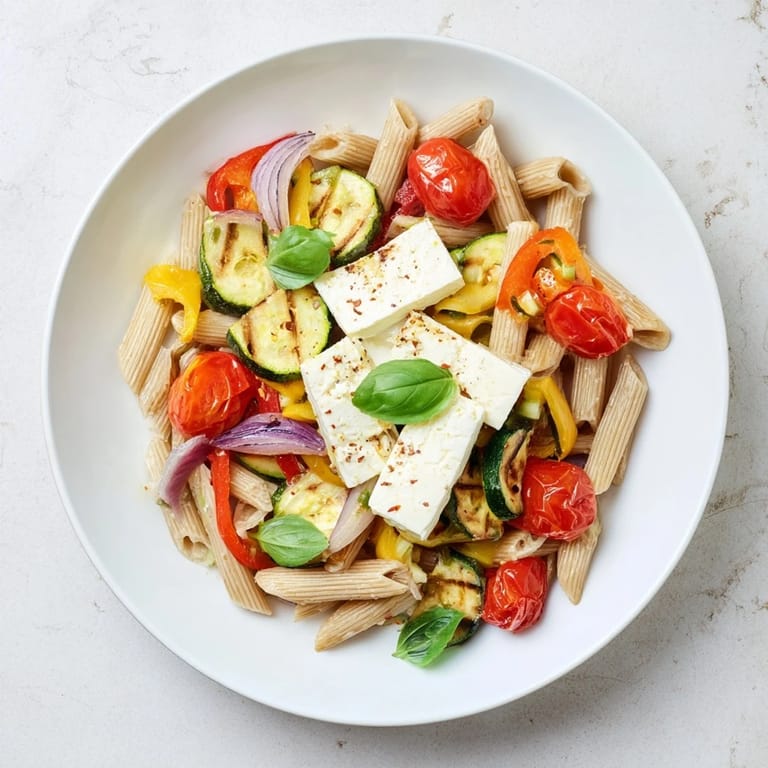
Pin What strikes me most about this dish is how forgiving it is. I've made it with eggplant instead of zucchini, thrown in spinach at the last second, even used leftover roasted vegetables from the night before, and it's worked every single time. The roasted feta is flexible enough to adapt to whatever you have on hand, which is exactly the kind of recipe that becomes a regular in your rotation.
Building Flavor Through Roasting
Roasting the vegetables before mixing them with the feta is the whole reason this tastes so much better than throwing raw vegetables in a bowl with crumbled cheese. When vegetables hit high heat, their natural sugars caramelize and their moisture concentrates, creating depth that raw vegetables simply can't match. The cherry tomatoes especially transform—what starts as bright and juicy becomes almost jam-like, and that's what makes the sauce feel rich without any cream. I learned this the hard way after trying the no-cook version on a busy weeknight and being disappointed by how flat everything tasted.
Why Whole Grain Pasta Makes a Difference
Whole-grain pasta has a rougher texture than refined pasta, which means sauce clings to it more effectively instead of sliding right off. There's also a subtle nuttiness that pairs beautifully with roasted vegetables and salty feta in a way that white pasta doesn't quite manage. If you've only ever made this with regular pasta, switching to whole grain will feel like a small revelation—you'll notice the sauce stays on every bite instead of settling at the bottom of your bowl.
Customizing Vegetables Seasonally
The beauty of this recipe is that it welcomes whatever produce looks good at the farmer's market. Summer means cherry tomatoes and zucchini, but in fall I've roasted chunks of eggplant and added sun-dried tomatoes for intensity. Winter is the time to throw in quartered Brussels sprouts or broccoli florets, and spring practically demands fresh asparagus and peas stirred in at the end. The roasting method works for almost any vegetable you can think of, so don't feel locked into the original ingredient list.
- Spring and summer vegetables like asparagus, peas, and fresh herbs brighten the dish, while fall and winter vegetables like Brussels sprouts and eggplant add earthiness and weight.
- Always cut vegetables to roughly the same size so they roast evenly and finish at the same time.
- If using leafy greens like spinach, stir them in after the pasta is combined so they wilt gently from the residual heat.
 Pin
Pin This baked feta pasta has become one of those dishes that doesn't need a special occasion to justify making it. It sits somewhere between weeknight comfort and something worthy of company, which is exactly where the best recipes live.