 Pin
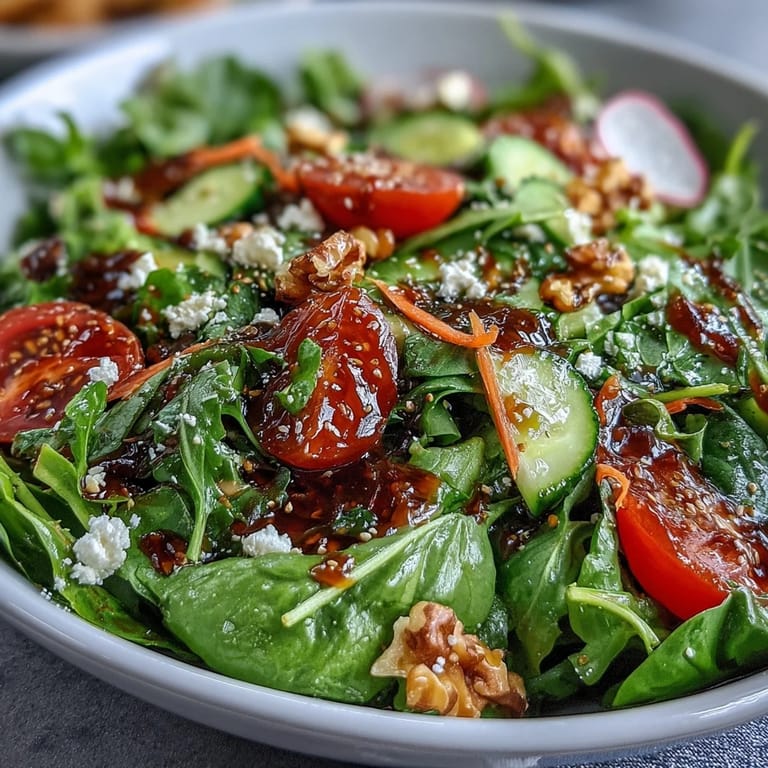
Pin There's something about spring that makes you crave green—actual, vibrant green on a plate. I stumbled into making this salad on a warm afternoon when my farmer's market bag held nothing but tender greens, crisp vegetables, and the promise of something light. The honey mustard dressing came together almost by accident, a improvisation born from what was sitting in my pantry, and somehow it became the thing I make whenever I want to feel like I'm eating something alive and fresh.
I made this for a small gathering last spring, and watching people dig into their bowls with genuine enthusiasm was quietly satisfying. Someone asked if the dressing was store-bought, and I realized that homemade dressing actually does taste noticeably better, brighter somehow. That moment stuck with me—it's the kind of small victory that reminds you why cooking matters.
Ingredients
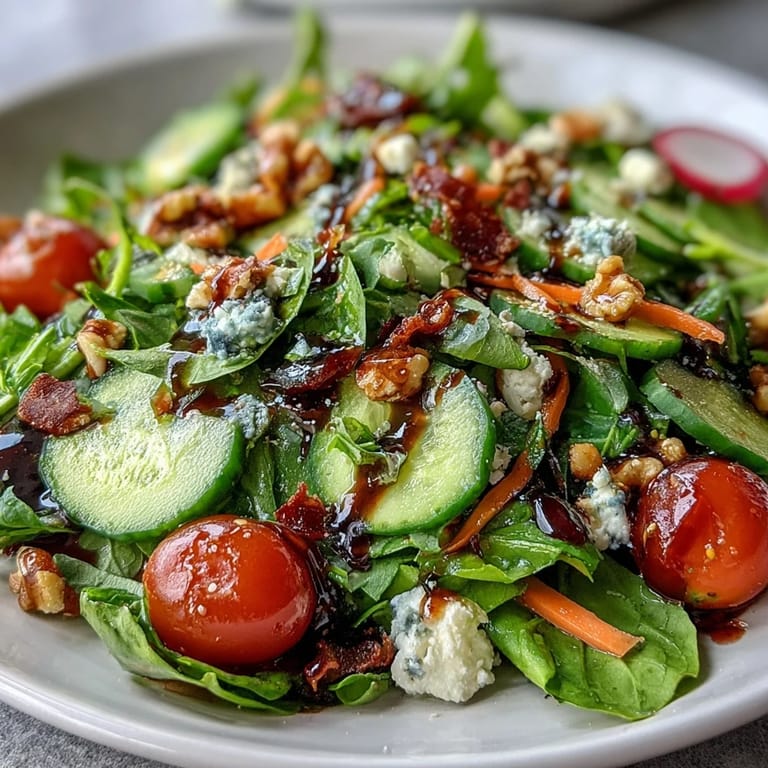
- Spring greens mix: The foundation here—arugula brings peppery bite, baby spinach adds mild earthiness, and mâche (if you find it) feels silky and delicate, so choose based on what speaks to you or what your market has that day.
- Cucumber: Slice it thin so it absorbs a whisper of dressing and stays refreshing rather than watery and bland.
- Cherry tomatoes: Halving them exposes their seeds and juices so the salad tastes like actual tomato, not just crunch.
- Radish: This is your textural secret—peppery, snappy, and it keeps the whole salad from feeling soft.
- Carrot: Julienne or grate it, either way it catches the dressing beautifully and adds natural sweetness.
- Toasted walnuts or pecans: Toasting them yourself makes them taste like they belong in the salad rather than like an afterthought scattered on top.
- Feta cheese: Crumbly and salty, it's optional but it transforms the salad from simple to something you'll crave again.
- Dijon mustard: The sharp, grainy kind works best—it emulsifies the dressing and gives it backbone.
- Honey: It balances the mustard's sharpness and helps bring everything into harmony.
- Extra-virgin olive oil: Don't skimp here, it's half the dressing and it should taste good enough to drink.
- Apple cider vinegar or white wine vinegar: Apple cider feels slightly warmer, white wine slightly brighter—pick based on your mood.
- Sea salt and black pepper: These finish the dressing and remind you that restraint and simplicity are underrated.
Tired of Takeout? 🥡
Get 10 meals you can make faster than delivery arrives. Seriously.
One email. No spam. Unsubscribe anytime.
Instructions
- Make the dressing first:
- Whisk mustard and honey together in a small bowl until they're warm and smooth, then slowly drizzle in the olive oil while whisking so it emulsifies into something silky rather than separating. Add vinegar, salt, and pepper and taste—you're looking for that tangy-sweet equilibrium where neither flavor drowns the other out.
- Build your salad bowl:
- Pile the spring greens into your largest bowl (or whatever vessel feels right), then scatter the cucumber, tomatoes, radish, and carrot over top. Avoid tossing yet—let everything sit there waiting for the dressing to do its work.
- Dress and toss gently:
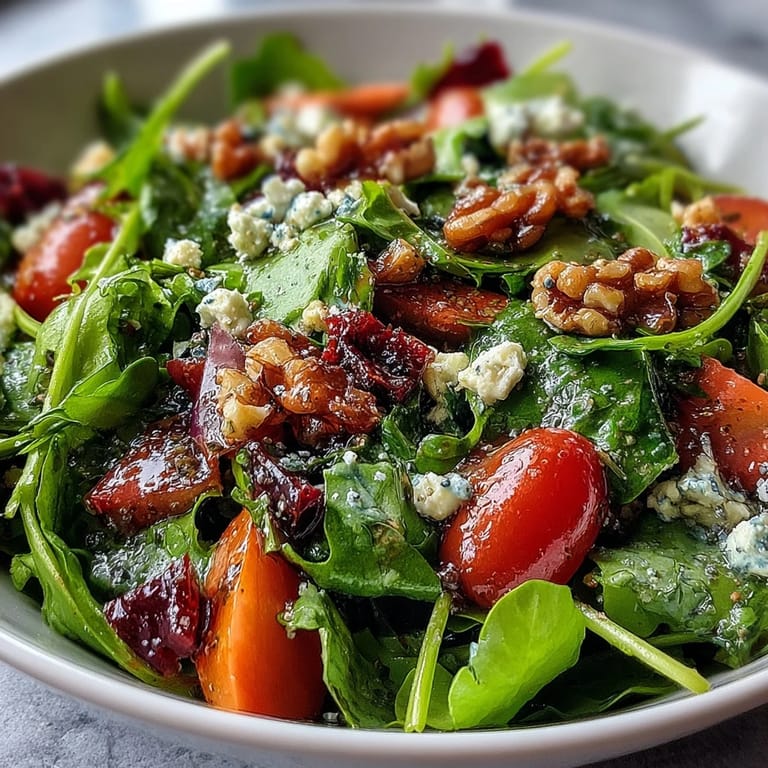
- Drizzle the dressing over the salad and use your hands or two wooden spoons to toss everything together with care, like you're folding rather than stirring. Every leaf should glisten but nothing should be swimming in dressing.
- Add the finishing touches:
- Scatter the toasted nuts and feta cheese over the top just before serving—if you add them too early, the nuts soften and the cheese gets lost in the greens. Serve immediately, because a salad waits for no one.
 Pin
Pin There was an evening when someone who usually orders takeout asked for the recipe and came back a week later saying they'd made it three times already. That's when I knew this wasn't just a salad—it was the kind of simple, honest dish that reminds people why cooking at home feels good.
Dressing Wisdom
The magic of the honey mustard dressing lives in the balance and the emulsification. Whisking the mustard and honey first creates a natural binder that helps the oil incorporate smoothly, which sounds technical but really just means you end up with a dressing that clings to the greens instead of pooling at the bottom of the bowl. I've learned that patience here matters—rushing the whisking step results in a separated, thin dressing that tastes flat. Take your time and you'll taste the difference immediately.
Spring Vegetables and Seasonality
Spring vegetables are tender and sweet in a way that fall vegetables simply aren't, which is why this salad feels so different depending on when you make it. Early spring radishes taste crisp and almost mild, while late spring carrots have this floral sweetness that builds the salad into something more complex. I've started paying attention to what the market actually has rather than forcing the recipe to match what I think it should be, and honestly, the salad tastes better when you honor what's actually in season.
Variations and Flexibility
This is the kind of salad that invites you to play around rather than follow strict rules. I've added thinly sliced radishes in place of tomatoes on days when tomatoes weren't quite right, swapped in pumpkin seeds for walnuts, and once tried toasted chickpeas for protein. The dressing works with all of it because it's confident enough to stand on its own without demanding a specific cast of vegetables. Here are small adjustments that open up possibilities without breaking the spirit of the dish.
- For a vegan version, use maple syrup or agave instead of honey and skip the feta entirely, or try nutritional yeast for that savory, umami note.
- Add grilled chicken, crispy chickpeas, or white beans if you want something more substantial for dinner rather than a side dish.
- Toast the nuts in a dry pan for two to three minutes until fragrant, and use them immediately while they're still warm and crackling.
 Pin
Pin This salad is proof that the simplest things, when made with attention and care, become the ones you return to again and again. It's the kind of recipe that grows with you—as seasons change and your preferences shift, it changes too.
Recipe Q&A
- → What greens work best in this salad?
A mix of tender spring greens like arugula, baby spinach, and mâche creates a fresh, delicate base.
- → Can I substitute the honey in the dressing?
Yes, maple syrup is a great alternative for a vegan-friendly option while keeping sweetness balanced.
- → How should I prepare the nuts for topping?
Lightly toasting walnuts or pecans enhances their crunch and brings out deeper flavor notes.
- → What cheeses complement the salad’s flavors?
Crumbled feta adds a creamy, tangy contrast that pairs well with the honey mustard dressing.
- → Is this dish suitable for gluten-free diets?
Yes, all ingredients are naturally gluten-free, making it fitting for gluten-sensitive individuals.
- → Can I add protein to make it more filling?
Grilled chicken or chickpeas can be added for extra protein and substance without overpowering the light flavors.