 Pin
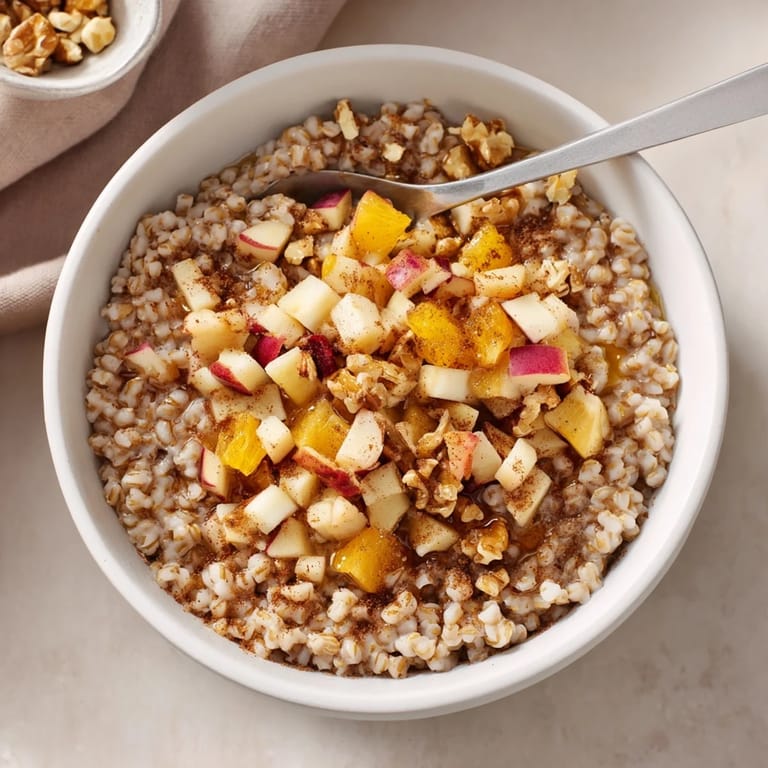
Pin My roommate in college used to laugh at my stash of random grains in our tiny kitchen, but buckwheat groats became the one thing she actually started stealing from my shelf. Theres something about the earthy, nutty aroma that fills the kitchen when these triangular seeds simmer away that makes even the bleakest morning feel cozy.
Last winter, my sister came over feeling completely defeated by work stress, and I made her this bowl with extra cinnamon and the last of the summer berries Id frozen. She sat there silently for ten minutes, just eating and watching the snow fall through my kitchen window, before finally telling me it was the first time shed felt relaxed in weeks.
Ingredients
- 1 cup buckwheat groats (raw, hulled): Rinse these thoroughly until the water runs clear or you will end up with a strange soapy aftertaste that I learned about the hard way
- 2 cups water: You want a 2:1 ratio but keep an extra quarter cup nearby in case your groats seem thirsty
- 1/4 teaspoon salt: Just enough to draw out the natural nuttiness without making it taste like dinner
- 1/2 cup mixed nuts: I chop them slightly so every spoonful gets some crunch instead of them all sinking to the bottom
- 1 cup fresh fruit: Whatever looks best at the market, but berries and bananas are the crowd-pleasers in my house
- 2 tablespoons honey or maple syrup: Buckwheat has a natural bitterness that plays so beautifully with sweeteners
- 1/2 teaspoon ground cinnamon: Optional, but honestly why would you skip it
- 1/2 cup milk or plant-based milk: The creamy finish that ties everything together
Tired of Takeout? 🥡
Get 10 meals you can make faster than delivery arrives. Seriously.
One email. No spam. Unsubscribe anytime.
Instructions
- Rinse until confident:
- Give those groats a thorough rinse under cold water, swirling them around with your fingers until the water runs crystal clear. This step is non-negotiable unless you enjoy a faint soapy flavor in your breakfast.
- Bring to the bubble:
- Combine the rinsed groats, water, and salt in your saucepan and turn the heat to medium-high. Watch for that first enthusiastic boil, then immediately drop the temperature to low and slide on the lid.
- Let them simmer:
- Cook for 10 to 12 minutes, peeking only once to make sure it has not gone dry. The groats should be tender but still holding their shape when they are done.
- The patience step:
- Remove from heat and leave it covered for 5 full minutes. This resting period is what transforms slightly chewy groats into perfectly tender ones.
- Fluff and divide:
- Use a fork to gently fluff the grains, then divide between two waiting bowls. The steam rising up at this point is absolutely magical.
- Make it beautiful:
- Scatter those chopped nuts and diced fruit over each bowl like you are plating at a restaurant. Drizzle with honey or maple syrup and finish with a dusting of cinnamon.
- The finishing touch:
- Pour your milk of choice around the edges so it creates these lovely milky puddles throughout the bowl. Serve immediately while everything is still warm.
 Pin
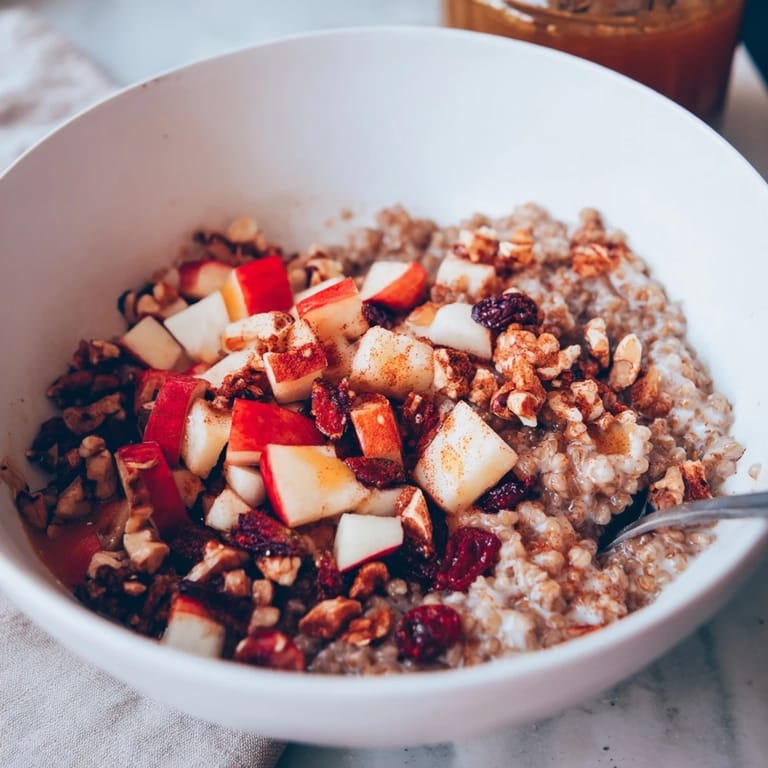
Pin This recipe became my go-to when I started meal prepping Sunday afternoons for busy work weeks. Something about having these nourishing bowls ready to grab made the whole week feel more manageable, like I was taking care of myself before the chaos even began.
Make It Your Own
I love throwing in a tablespoon of chia seeds during the last 2 minutes of cooking, which thickens everything into this almost pudding-like consistency. The seeds plump up beautifully and add this incredible protein boost that keeps me full until lunchtime without feeling heavy.
The Fruit Situation
Frozen berries work surprisingly well here if you toss them in while the buckwheat is still hot. They thaw instantly and release their juices, creating these lovely streaks of purple and red throughout the bowl that look absolutely stunning in morning light.
Storage And Prep
The cooked buckwheat keeps beautifully in the refrigerator for up to five days, so I often make a double batch and reheat portions with a splash of almond milk. You can also portion it into individual containers with the toppings packed separately, which has saved my morning routine more times than I can count.
- Let the cooked groats cool completely before refrigerating to prevent condensation from making them soggy
- If you are going to reheat, add a tablespoon of water or milk and warm it gently over low heat
- The nuts stay crunchy for days if you store them separately and add them right before eating
 Pin
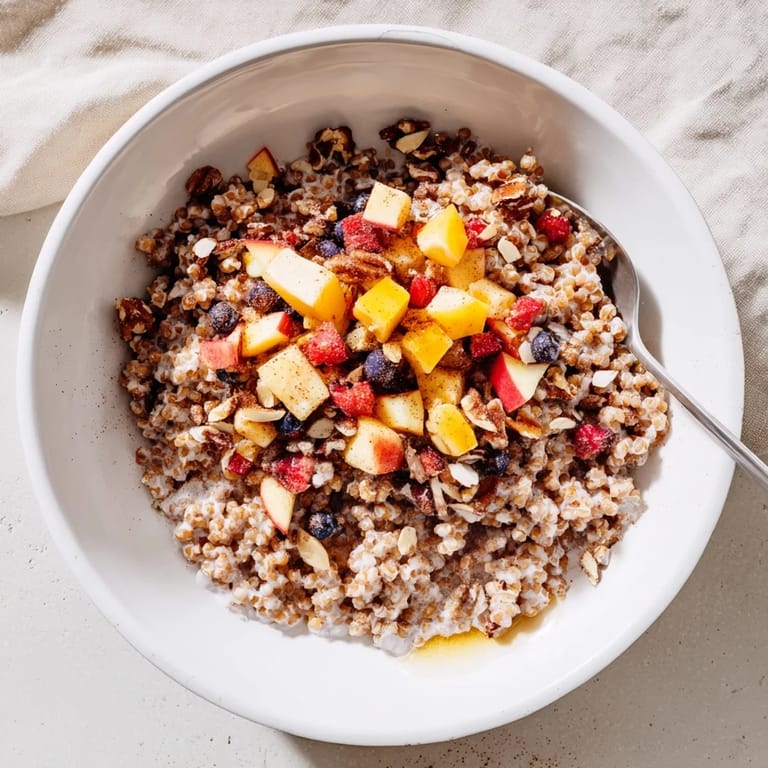
Pin There is something profoundly satisfying about starting your day with a bowl of food that feels both nourishing and indulgent, like you have given yourself permission to slow down before the world gets demanding.
Recipe Q&A
- → What do buckwheat groats taste like?
Buckwheat groats have a mild, earthy flavor with subtle nutty undertones. When cooked, they become tender while maintaining a pleasant chewiness, making them an excellent alternative to oatmeal or other warm breakfast grains.
- → Do buckwheat groats need soaking before cooking?
No soaking is required for raw buckwheat groats. Simply rinse them thoroughly under cold water to remove any debris, then cook directly in water. They soften nicely during the 10-12 minute simmering process.
- → Can I make this breakfast ahead of time?
Yes, cooked buckwheat stores well in the refrigerator for 3-4 days. Reheat individual portions with a splash of milk or water to restore creaminess. Add fresh toppings just before serving for the best texture and flavor.
- → Is buckwheat gluten-free?
Despite its name, buckwheat contains no wheat and is naturally gluten-free. It's actually a fruit seed related to rhubarb, making it an excellent choice for those avoiding gluten or seeking diverse grain alternatives.
- → What fruits work best with buckwheat?
Berries like blueberries, raspberries, and strawberries add brightness and natural sweetness. Sliced bananas, diced apples, or pears also complement the nutty flavor beautifully. Seasonal fruits work wonderfully for variety throughout the year.
- → Can I use roasted buckwheat (kasha) instead?
Roasted buckwheat groats, known as kasha, have a deeper, toastier flavor and firmer texture. They work well in this breakfast, though the cooking time may need slight adjustment. Kasha provides a more intense nuttiness that some prefer.