 Pin
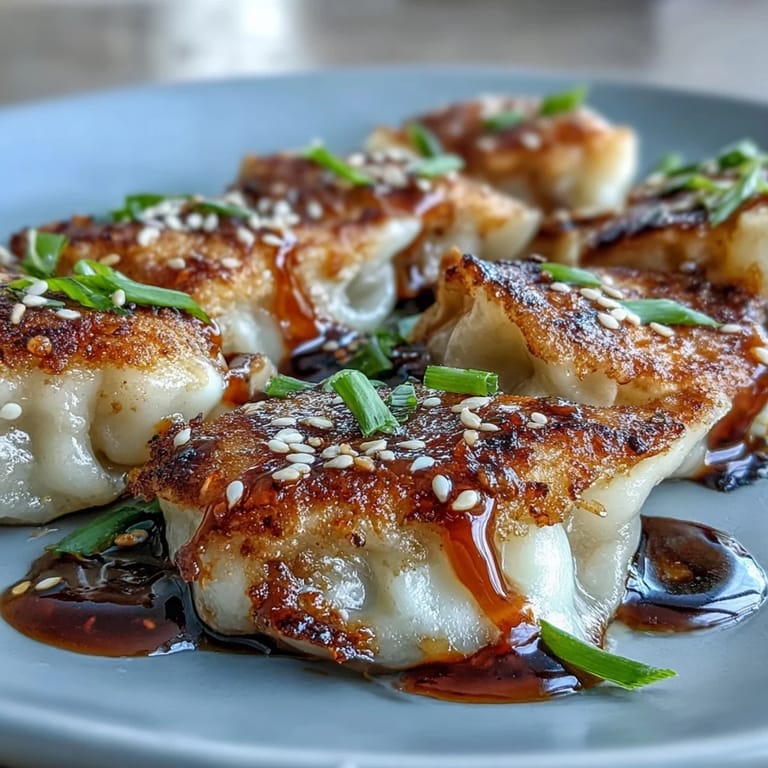
Pin Last summer, my friend Yuki brought these golden, glossy potato dumplings to a picnic, and I watched people's faces light up the moment they bit into the melty cheese center. The contrast of that soft, pillowy exterior with the gooey mozzarella and sticky-sweet glaze was something I'd never experienced before, and I asked for the recipe before she'd even finished the batch. Turns out, chīzu imomochi is one of those deceptively simple dishes that tastes like you've been practicing it for years, even on your first try.
I made these for my skeptical roommate who claimed potato dishes were boring, and something shifted when the aroma of caramelizing mozzarella filled our tiny kitchen. He ate four in a row without saying much, which for him was the highest compliment, and asked if I could make them every Friday. That's when I realized these weren't just snacks, they were little moments of comfort wrapped in starch and cheese.
Ingredients
- Russet potatoes (400 g / about 3 medium): These are your base, and their starchy nature is exactly what creates that signature chewiness once you mash them.
- Potato starch or cornstarch (60 g / ½ cup): This is the magic ingredient that transforms mashed potato into actual mochi texture, so don't skip it or substitute it carelessly.
- Unsalted butter (1 tbsp): Added while the potatoes are still warm, this enriches the dough and makes it silky.
- Salt (½ tsp): Flavor your base properly now, and you won't need to oversalt the glaze later.
- Mozzarella cheese (80 g / 3 oz, cut into 8 cubes): The whole reason you're doing this, so use decent quality cheese that melts well and tastes like actual cheese.
- Soy sauce (2 tbsp): Look for one with a clean, bright flavor if you can find it, as this is where the umami lives.
- Honey (1½ tbsp): This creates the glossy, sticky coating that catches the light when you plate them.
- Mirin (1 tbsp): A subtle sweetness that rounds out the glaze without making it cloyingly sugary.
- Rice vinegar (1 tsp): Just enough acidity to keep everything from tasting one-dimensional.
- Neutral oil (1 tbsp): Use something with a higher smoke point so your dumplings brown properly without the oil breaking down.
Tired of Takeout? 🥡
Get 10 meals you can make faster than delivery arrives. Seriously.
One email. No spam. Unsubscribe anytime.
Instructions
- Boil the potatoes until they surrender:
- Chop your russet potatoes into even pieces (this helps them cook at the same rate), drop them into salted boiling water, and cook for about 12 to 15 minutes until a fork slides through with zero resistance. You want them fully tender, not just cooked.
- Mash while everything is still steaming:
- Drain them well, then mash until completely smooth, breaking up any lumps that dare exist. Stir in the butter and salt while they're warm so the butter melts and coats every bit of potato.
- Work in the starch to build the dough:
- Sprinkle the potato starch over the warm potatoes and start kneading gently, as if you're coaxing the dough into existence rather than forcing it. It should feel soft and slightly sticky, like a really cooperative playdough that wants to cooperate.
- Wrap each dumpling around its treasure:
- Divide the dough into 8 pieces, flatten one into a disc, nestle a cheese cube in the center, and gently wrap and seal it into a ball. Work quickly so the dough stays warm and pliable, and don't press too hard or you'll squeeze out all the coziness.
- Pan-fry until the outside turns golden:
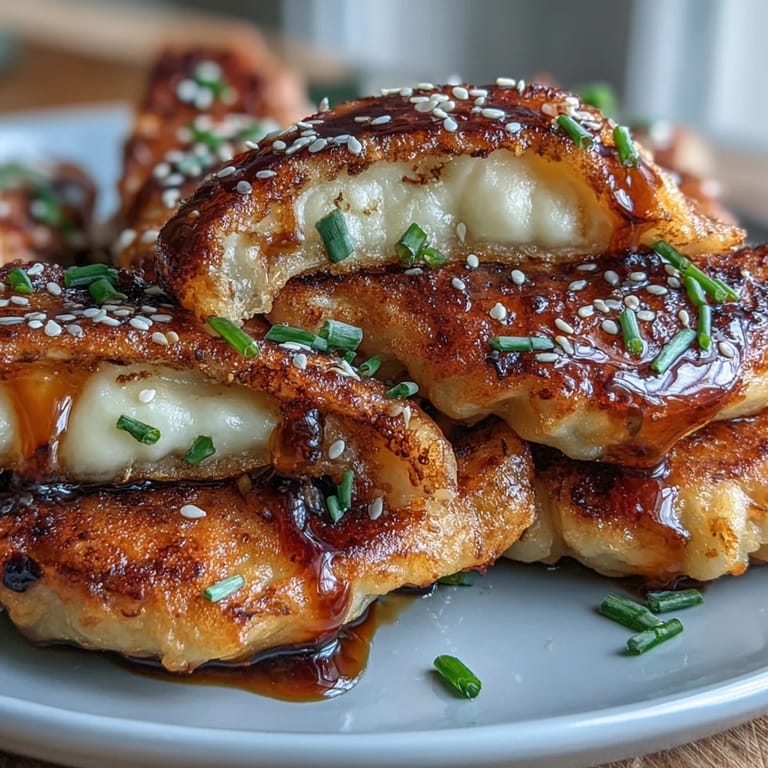
- Heat your oil in a nonstick skillet over medium heat, add the dumplings, and let them sit for a minute or two before turning them to encourage browning on all sides. This takes about 6 to 8 minutes total, and you'll know they're ready when they're golden all over and the cheese is starting to peek through any cracks.
- Make the glaze and coat everything:
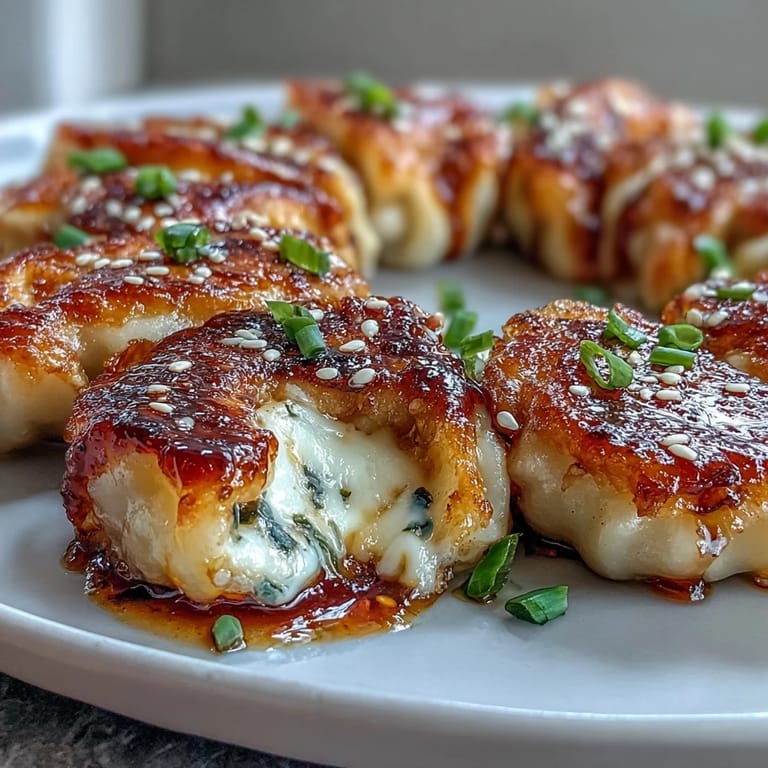
- While the dumplings are crisping, whisk together the soy sauce, honey, mirin, and rice vinegar in a small bowl until smooth. Pour this right into the skillet with the hot dumplings, toss gently to coat, and let it cook for a minute or two until the sauce becomes thick and glossy and clings to each dumpling like it belongs there.
- Serve them while they're still warm and happy:
- Transfer to a plate right away, maybe scatter some sliced scallions or toasted sesame seeds on top if you're feeling fancy, and eat them before they cool down and lose their magic.
 Pin
Pin There was this one Tuesday when I made these for a friend who'd just had a rough day at work, and watching their shoulders drop a little after tasting one was the reminder I needed that sometimes the simplest foods carry the most comfort. Food doesn't always have to be complicated to matter.
Why These Work as Both Snack and Appetizer
The beauty of chīzu imomochi is that it doesn't apologize for what it is, which makes it incredibly versatile. Serve them warm from the pan as a snack while you're working, or arrange them on a small plate with some greens alongside to make it feel like an appetizer course. The portion size is naturally modest, so you're not overwhelming anyone, and the fact that they're best eaten right away means they create this natural moment of togetherness.
Playing with Cheese Variations
While mozzarella is the classic choice because it melts so beautifully and stays stretchy, I've had excellent results with aged cheddar for a sharper, more savory experience. Gouda brings a subtle sweetness that works wonderfully with the soy-honey glaze, almost like a Japanese-Dutch fusion happening in your mouth. Experiment to find your favorite, but remember that harder cheeses might not melt quite as dramatically, so consider cutting them smaller.
Storage and Reheating
These are genuinely best enjoyed fresh, but if you have leftovers, store them in an airtight container in the fridge for up to two days and reheat them gently in a warm skillet with a splash of water to soften them back up. You can also freeze the uncooked, unglazed dumplings for up to a month, then pan-fry them straight from frozen, adding just a minute or two to the cooking time. The glaze is best made fresh, though, because it really does need to be warm and silky to coat them properly.
- Reheat leftovers low and slow so the potato stays tender instead of drying out or getting tough.
- If you're making these ahead for a party, prep the uncooked dumplings and fry them just before guests arrive for maximum impact.
- Never microwave these, as the texture will turn rubbery and sad, which defeats the entire purpose of making them.
 Pin
Pin These little dumplings remind me that the most memorable foods are often the ones that ask very little of you and give back so much, whether it's the warmth of cheese, the comfort of potato, or just the joy of eating something you made with your own two hands. Make these, share them, and watch how quickly they become someone's favorite thing.
Recipe Q&A
- → What type of cheese works best for imomochi?
Mozzarella is ideal for its mild flavor and excellent melting properties. You can also use cheddar or gouda for a richer, sharper taste, or plant-based cheese for a vegan version.
- → Can I use sweet potatoes instead of russet potatoes?
Yes, sweet potatoes work well and add a subtle sweetness. Keep in mind they have more moisture, so you may need to add slightly more potato starch to achieve the right dough consistency.
- → What if I don't have potato starch?
Cornstarch is a great substitute and works equally well. Both starches help create the signature chewy texture of mochi-style dumplings.
- → How do I prevent the dumplings from sticking to the pan?
Use a nonstick skillet with enough oil and ensure the pan is properly heated before adding the dumplings. Turn them gently and avoid overcrowding the pan.
- → Can I prepare these ahead of time?
Yes, you can shape the dumplings and refrigerate them for up to 24 hours before frying. You can also freeze them uncooked and fry directly from frozen, adding a few extra minutes to the cooking time.
- → Is this dish gluten-free?
The dumplings themselves are naturally gluten-free when made with potato starch. Just ensure you use gluten-free soy sauce for the glaze to keep the entire dish gluten-free.