 Pin
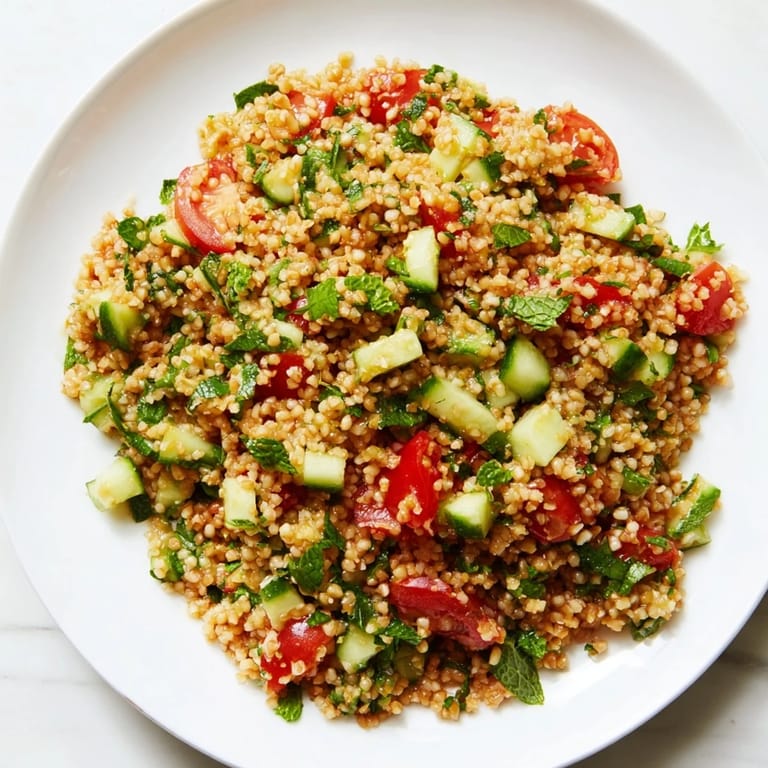
Pin The first time I made tabbouleh properly, I'd been standing in a spice market in the old city, watching a vendor's hands move through herbs with such certainty that I felt like I was missing something obvious. That evening, I tried it at home and suddenly understood—this isn't just a salad, it's a celebration of green, a way of eating that feels alive. The bulgur becomes a canvas, the herbs the whole point, and somehow ten minutes of prep becomes a bowl of pure brightness.
I made this for a summer potluck where everyone brought something heavy, and the moment I set down the bowl of emerald-flecked tabbouleh, people actually paused. Someone came back for thirds and asked if it was hard to make, and I loved being able to say no—just fresh ingredients and ten minutes. That's the magic of it.
Ingredients
- Fine bulgur wheat (1 cup): The finer the grain, the faster it hydrates and the better it holds onto that lemon dressing without becoming mushy.
- Boiling water (1 cup): Hot water is non-negotiable here; it actually cooks the wheat by opening up the grain structure.
- Ripe tomatoes (2 medium, diced): Choose tomatoes at peak season if you can—watery winter tomatoes will dilute the whole salad.
- Cucumber (1 medium, peeled, seeded, and diced): Removing the seeds keeps everything crisp and prevents a soggy bottom to the bowl.
- Scallions (4, finely sliced): They give you a gentle onion sharpness that builds as it sits, but they won't overwhelm like raw red onion would.
- Fresh flat-leaf parsley (1 large bunch, finely chopped): This should be your star ingredient—about one-third to half the volume of the finished salad should be herbs.
- Fresh mint (1/2 bunch, finely chopped): Mint is the secret that makes people ask what they're tasting; it's bright without being medicinal.
- Extra virgin olive oil (1/4 cup): Use something you actually like drinking, because it's a main player here, not a background flavor.
- Freshly squeezed lemon juice (1/4 cup, about 2 lemons): Bottled will work in a pinch, but fresh lemon is where the salad finds its soul.
- Garlic (1 clove, finely minced): Just one—it's a whisper of garlic, not a shout.
- Sea salt (1/2 teaspoon): Don't skip this or use table salt; fine sea salt dissolves beautifully into the dressing.
- Freshly ground black pepper (1/4 teaspoon): Crack it right before mixing so the oils are still alive.
Tired of Takeout? 🥡
Get 10 meals you can make faster than delivery arrives. Seriously.
One email. No spam. Unsubscribe anytime.
Instructions
- Hydrate the bulgur:
- Place the bulgur in a large bowl and pour boiling water straight over it, then cover with a plate or plastic wrap. The steam does the work here—after 10 to 15 minutes, the grains will be tender and the water absorbed. Fluff it gently with a fork and let it cool to room temperature, which takes the longest part of the whole recipe.
- Build the base:
- Once the bulgur is cool, add your tomatoes, cucumber, scallions, parsley, and mint. This is where you can taste as you go and add a bit more herb if you want it greener—there's no wrong answer here.
- Whisk the dressing:
- In a small bowl, combine olive oil, lemon juice, minced garlic, salt, and pepper. A quick whisk brings it together, and you can taste it now to see if you want more lemon bite or more salt.
- Bring it together:
- Pour the dressing over the bulgur mixture and toss gently but thoroughly, making sure every grain gets coated. The salad will look brighter and smell suddenly alive.
- Let it settle:
- Refrigerate for at least 20 minutes—this is when the flavors actually marry and deepen. You can make it hours ahead, and it only gets better.
- Serve and adjust:
- Taste it right before serving and adjust salt and lemon to your preference. The cold makes flavors mute slightly, so you might need a touch more brightness than you'd expect.
 Pin
Pin I remember bringing this to a dinner where someone was going through something heavy, and halfway through the meal, they just ate quietly and slowly, and afterward said thank you in a way that meant more. That's when I realized this salad does something—it's nourishing in a way that goes beyond the plate.
Why Fresh Herbs Are the Whole Point
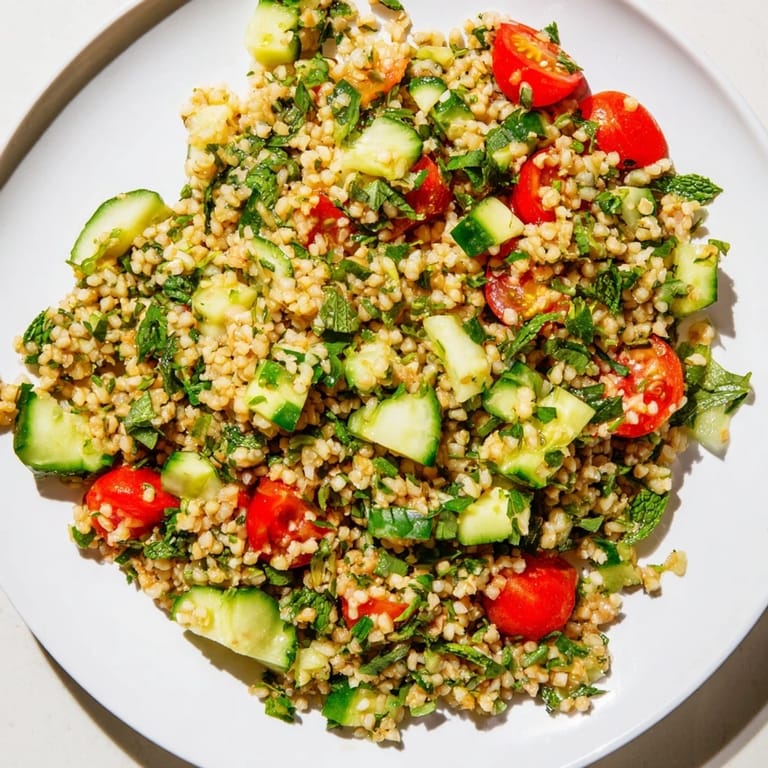
The difference between a forgettable tabbouleh and one that stays with you is the ratio of herbs to everything else. I learned this by trial, once making it with timid amounts of parsley, and it was just grain salad. The herbs aren't a garnish here—they're the main event, and the bulgur is really just there to hold them together and give you something to grab with a spoon. When you see fresh flat-leaf parsley at the market, buy the biggest bunch and don't feel wasteful.
The Lemon-to-Grain Relationship
There's a moment when you pour that lemon dressing over the bulgur and it brightens right in front of you, the grains becoming glossy and suddenly smelling like something worth eating. This is also the moment you realize that lemon and salt are the only two seasoning tools you actually need—no fancy spices, no hidden depths, just citrus, salt, and the green of fresh herbs. It's almost too simple until you taste it.
Serving and Storage Wisdom
This salad is one of those rare dishes that actually improves as it sits, the flavors deepening and softening into each other overnight. I've learned to make it a day ahead when I can, pulling it from the fridge an hour before serving so it's cold but not ice-cold. You can keep it for three days, though the herbs will darken—they still taste beautiful, just look a little less picture-perfect.
- Serve it alongside grilled vegetables, falafel, or even simple roasted chicken if you want something heartier.
- If you're taking it somewhere, transport it in a container and add the dressing just before leaving to keep everything crisp.
- It's wonderful at room temperature, so don't stress if it sits out—this salad actually tastes better when it's not ice-cold.
 Pin
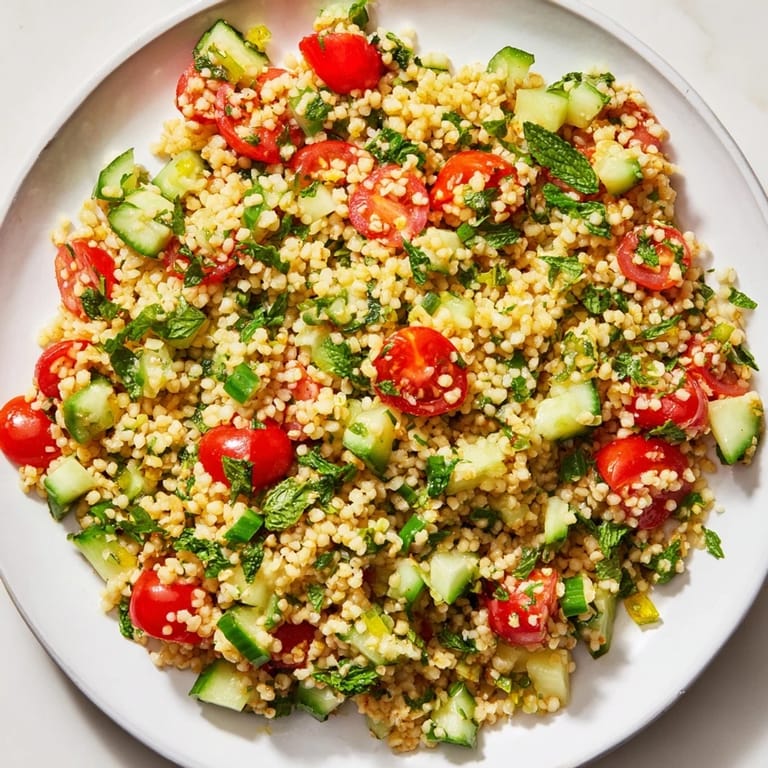
Pin Tabbouleh has become one of those recipes I make when I want to feel like I'm cooking something alive and nourishing. It's simple enough that anyone can make it, but somehow it tastes like you know something special.
Recipe Q&A
- → How do I prepare bulgur wheat for this dish?
Pour boiling water over fine bulgur wheat in a bowl, cover, and let it soak for 10–15 minutes until tender and water is absorbed. Fluff with a fork before mixing.
- → Can I substitute bulgur for a gluten-free alternative?
Yes, cooked quinoa or millet can replace bulgur to make the dish gluten-free without sacrificing texture or flavor.
- → What herbs are best suited for this salad?
Fresh parsley and mint provide classic, vibrant flavors that complement the citrus dressing and vegetables perfectly.
- → How long should the salad be chilled before serving?
Refrigerate the mixture for at least 20 minutes to let the flavors meld and develop a refreshing taste.
- → Are there any suggested variations to enhance flavor?
Adding pomegranate seeds, diced red peppers, or crumbled feta can create interesting variations and additional textures.