 Pin
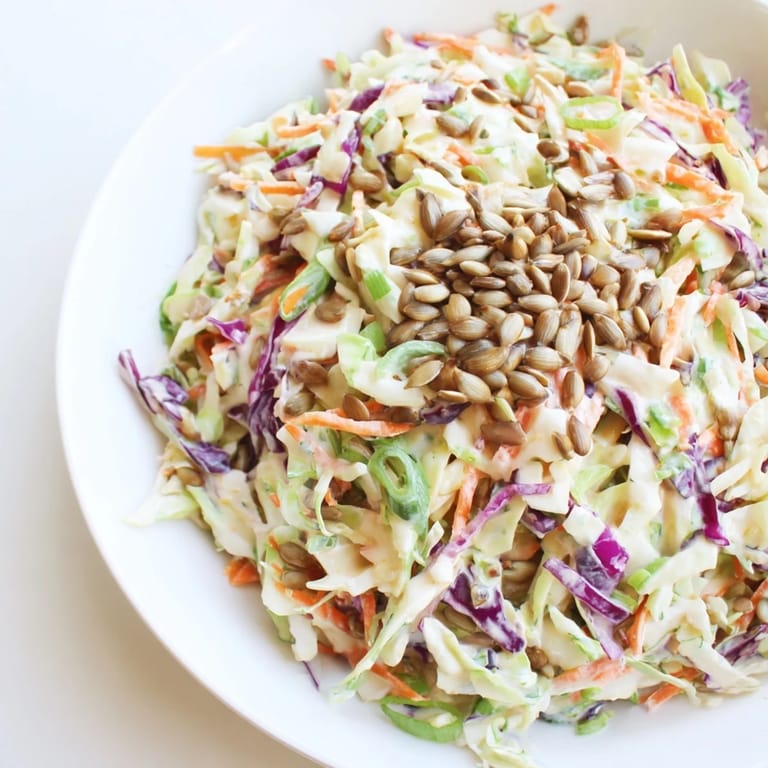
Pin My neighbor showed up at a summer potluck with this coleslaw, and it disappeared faster than everything else on the table—I watched people go back for thirds while the pasta salad sat untouched. She finally shared the recipe, and I realized the magic was in timing the dressing with the crunch, something I'd been doing wrong for years by mixing everything too early. Now it's the one side dish that actually gets people excited, which sounds silly until you taste how the cabbage stays crisp while the dressing clings to every shred.
I made this for a camping trip once and accidentally left the prepared cabbage mix in the cooler while I helped set up the tent, which normally would've been a disaster, but somehow the vegetables stayed perfectly firm and the flavors got even better. That's when I learned this salad is forgiving in the best way—you can prep it ahead, keep it cold, and it actually improves if you give it time to sit before adding the seeds.
Ingredients
- Green and red cabbage (4 cups green, 2 cups red): The color contrast is half the appeal, but more importantly, the two varieties have slightly different textures—green is denser and stays crunchier longer, while red is a bit more delicate and absorbs dressing faster.
- Carrots (2 large, grated): Freshly grated carrots add natural sweetness and that perfect tender-but-still-firm bite that makes this different from heavy coleslaw.
- Green onions (3, thinly sliced): They provide a sharp, fresh note that cuts through the creaminess and keeps everything from feeling heavy.
- Mayonnaise (2/3 cup): This is your binding agent, so use good mayo—cheap stuff tastes flat and breaks down faster.
- Apple cider vinegar (2 tablespoons): The acidity is essential; it balances the mayo and prevents the whole thing from tasting like a cream soup.
- Honey (1 tablespoon): Just enough to round out the flavors without making it taste like dessert—regular sugar works too but honey dissolves more smoothly.
- Dijon mustard (2 teaspoons): This adds complexity and keeps the dressing from being one-dimensional.
- Celery seed (1/2 teaspoon): A tiny but crucial detail that gives you that classic coleslaw taste without requiring actual celery.
- Sunflower seeds (1/2 cup roasted, unsalted): Toast them yourself if possible—they stay crunchier and taste fresher than pre-roasted ones from the jar.
Tired of Takeout? 🥡
Get 10 meals you can make faster than delivery arrives. Seriously.
One email. No spam. Unsubscribe anytime.
Instructions
- Shred and slice your vegetables:
- Get your cabbage, carrots, and green onions prepped and sitting in a large bowl, making sure the cabbage is as fine and even as possible so it catches the dressing evenly. The finer you go, the better the texture and the faster the flavors meld.
- Build the dressing:
- Whisk together the mayo, vinegar, honey, mustard, and celery seed in a separate bowl until it's completely smooth with no lumps hiding at the bottom. Taste it before you add salt and pepper—sometimes you realize you want a touch more vinegar or honey, and this is your chance to fix it.
- Dress the salad:
- Pour the dressing over the vegetables and toss everything together with your hands or two spoons until every piece of cabbage is coated. This is the moment where it transforms from a pile of shreds into something that actually tastes like something.
- Wait (this is important):
- If you're eating right away, skip ahead, but if you have even 15 minutes, let it sit in the refrigerator so the vegetables soften just slightly and the flavors get acquainted. The difference between fresh-made and 30-minute-old coleslaw is noticeable in the best way.
- Add the seeds and serve:
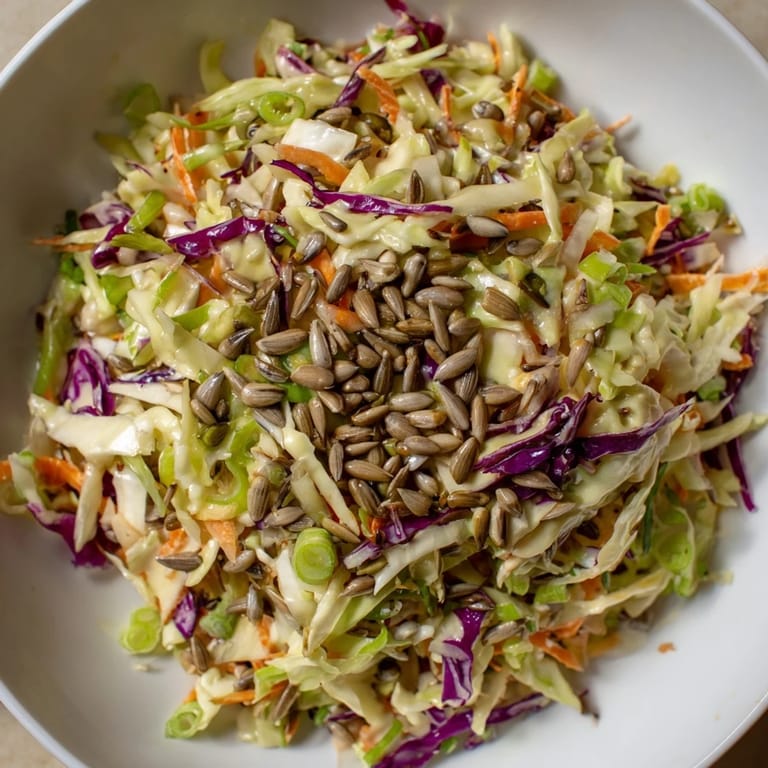
- Right before serving, scatter the sunflower seeds on top and toss gently so they don't all sink to the bottom. If you're holding it for a bit, keep the seeds separate and add them just before people eat so they stay maximally crunchy.
 Pin
Pin My kids actually asked for seconds of a salad once because of this recipe, which felt like a minor miracle and made me realize that texture and freshness matter more than most of the fancy things I've tried to cook. It became the thing I always bring to gatherings because I know it'll be eaten and people will ask for the recipe.
The Secret to Staying Crisp
The reason this coleslaw doesn't turn into the limp, soggy mess that most slaws become is temperature and timing—keep everything cold until the last possible moment, and add the seeds when you're literally about to serve it. I learned this the hard way after prepping a huge batch the morning of a party and watching it slowly wilt in the fridge, whereas the batch I made 30 minutes before eating was pristine. Cold cabbage is crisp cabbage, and crisp cabbage is why people care about eating this in the first place.
Flavor Variations That Actually Work
While the classic version is unbeatable, there are a few tweaks that genuinely improve things for different moods and meals. I've added thinly sliced crisp apples and gotten compliments, swapped Greek yogurt for half the mayo on nights when I want something lighter, and even thrown in a small handful of dried cranberries for the sweet-and-salty vibe. The dressing is forgiving enough to handle small changes without falling apart, which makes this recipe feel less rigid and more like something you can make your own.
Make-Ahead and Storage Wisdom
This salad is deceptively flexible about timing, which makes it perfect for meal planning or prep-ahead situations. You can shred your vegetables the night before and keep them in a sealed container, make the dressing ahead and store it separately, and then combine everything a couple hours before eating—or even 30 minutes before if you're worried about texture. The one thing you cannot do ahead is add the sunflower seeds, so keep those in a small bowl and scatter them on at the very last second.
- Store undressed cabbage in an airtight container in the coldest part of your fridge for up to a day.
- Keep the dressing in a sealed jar and shake it before using if separation happens.
- Once fully dressed, the coleslaw is best within 2 hours but stays decent in the fridge for up to 24 hours if you're okay with softer vegetables.
 Pin
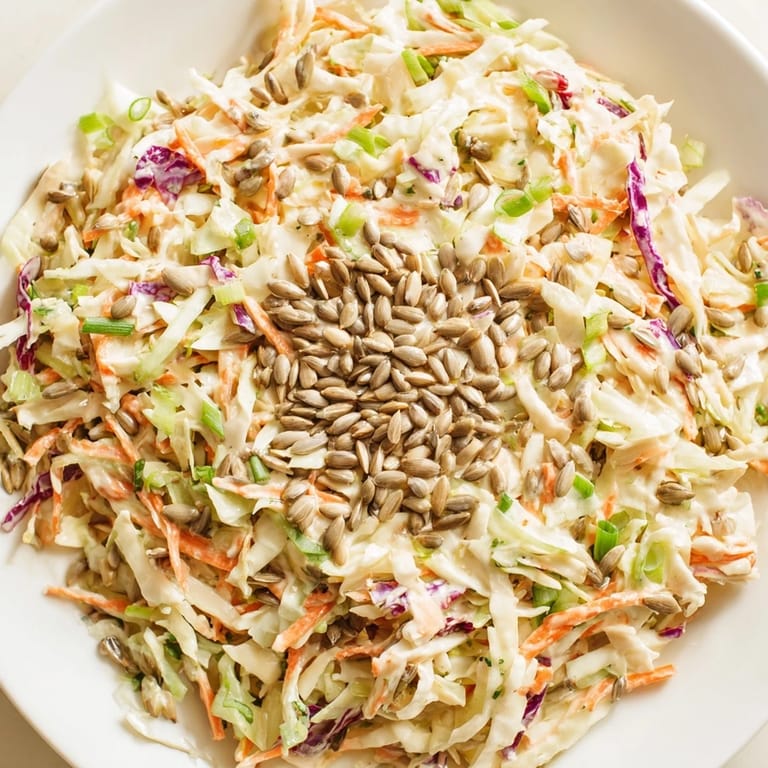
Pin This coleslaw has become one of those recipes I don't even think about anymore—I just make it because it works, and people always end up happier than they expected to be eating a salad. That's the whole point, really.
Recipe Q&A
- → What vegetables are used in this coleslaw?
Green and red cabbage, grated carrots, and thinly sliced green onions create the fresh vegetable base.
- → How is the dressing made?
A creamy blend of mayonnaise, apple cider vinegar, honey, Dijon mustard, celery seed, salt, and pepper is whisked together for the dressing.
- → Can I make a lighter version of this dish?
Yes, substitute half the mayonnaise with Greek yogurt for a lighter, tangier dressing.
- → What adds the crunch in this salad?
Roasted sunflower seeds sprinkled on top provide a satisfying crunchy texture.
- → How should I store leftovers?
Refrigerate leftovers for up to 2 hours to retain freshness; the texture softens slightly but remains enjoyable.
- → Are there flavor variations suggested?
Adding raisins or dried cranberries can lend a sweet twist; thin bell peppers or chopped apples boost the crunch and flavor.