 Pin
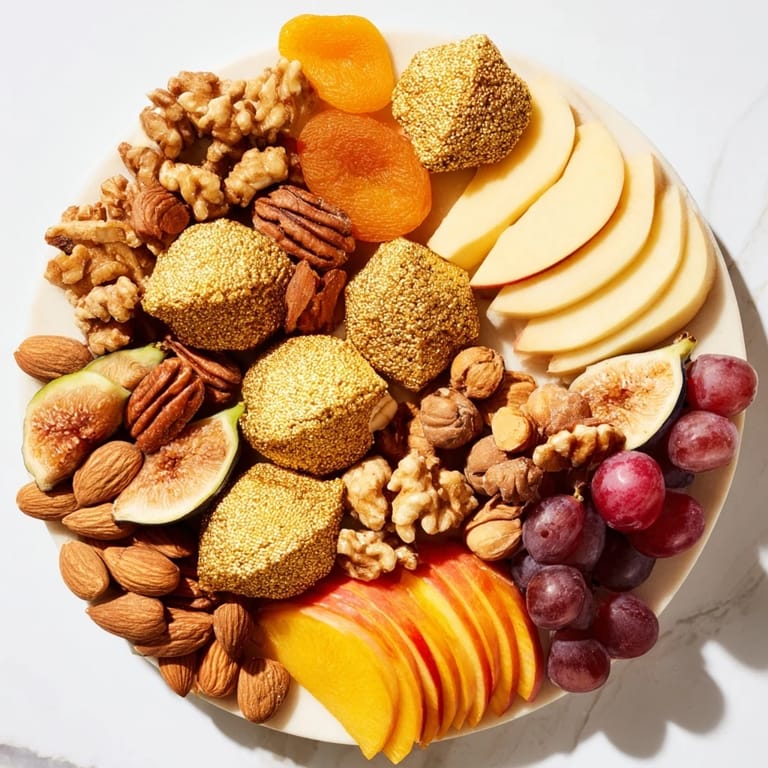
Pin I discovered the magic of a charcuterie board one autumn evening when a friend arrived with a wooden plank scattered with cheeses and nuts, and I realized that sometimes the most elegant dishes require no cooking at all. That night, as we picked through clusters of almonds and aged cheddar, I started imagining how to elevate the ordinary into something truly memorable. The idea came to me suddenly: what if I added gilded almonds and acorn-shaped cheese cutouts, turning a simple spread into a conversation piece? Now whenever I arrange "The Gilded Acorn," I feel like I'm creating edible art.
I remember setting this board out for my sister's engagement party last spring, and watching her face light up when she walked into the room was worth every minute of arrangement. The golden almonds caught the light in a way that made the whole platter shimmer, and guests started taking photos before they even started eating. It became the focal point of the afternoon, a gathering spot where conversations happened naturally around something beautiful and delicious.
Ingredients
- Whole almonds: The foundation of this board—choose raw or roasted depending on your mood, though roasted gives a deeper, more buttery taste that pairs beautifully with aged cheeses.
- Pecans, walnuts, and hazelnuts: Together these create a nut medley that prevents any single flavor from dominating, and the variety of textures keeps things interesting.
- Edible gold dust: This is the secret ingredient that transforms ordinary almonds into something gallery-worthy; use food-grade only and apply it just before serving so it stays vibrant.
- Sharp cheddar and gouda: These firm cheeses are perfect for cutting into shapes without crumbling, and their bold flavors stand up to the richness of nuts and honey.
- Brie or camembert: The creamy contrast here is essential; it softens the board's overall flavor profile and gives guests something buttery to balance the drier elements.
- Dried apricots and figs: The natural sweetness and chewy texture bridge the gap between savory cheese and crunchy nuts, almost like they belong together.
- Red grapes and apple slices: Fresh fruit brings brightness and prevents the board from feeling too heavy; add apples just before serving so they don't brown.
- Honey or fig jam: A small drizzle transforms how people eat this board—suddenly they're mixing flavors instead of eating items separately.
- Assorted crackers and baguette: These are the vehicle that lets everything work together; choose a mix of plain and seeded varieties for texture.
Tired of Takeout? 🥡
Get 10 meals you can make faster than delivery arrives. Seriously.
One email. No spam. Unsubscribe anytime.
Instructions
- Gild your almonds with intention:
- Place whole almonds in a small bowl and mist lightly with water using a spray bottle, then sprinkle edible gold dust while tossing gently to coat every surface evenly. Let them sit uncovered for a few minutes so the moisture dries and the gold adheres permanently.
- Cut cheese into acorn memories:
- Slice your cheddar and gouda into quarter-inch thick slabs, then press your acorn-shaped cookie cutter through firmly and cleanly. If you want to get creative, layer two different cheeses and use a paring knife to carve tiny details into the surface.
- Cluster nuts like you're painting:
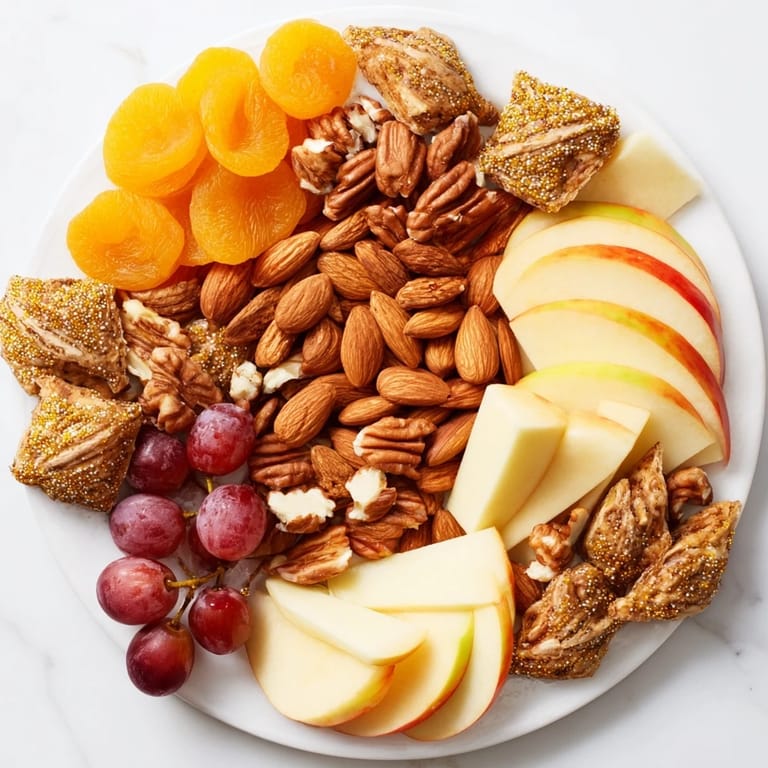
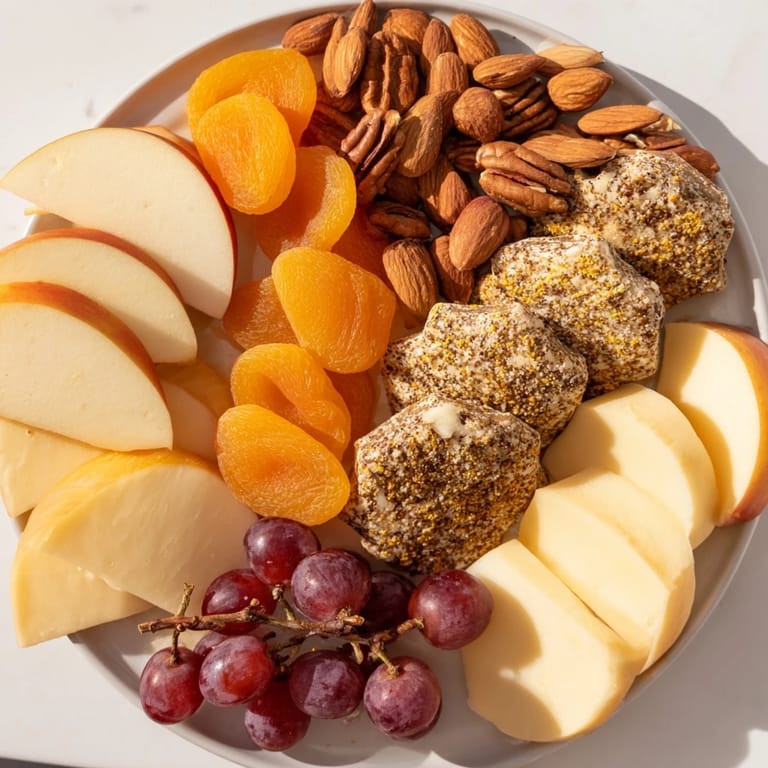
- Arrange all your nuts in small groups across the board, leaving the gilded almonds as occasional golden accents that catch the light. Think in terms of visual balance rather than perfectly even distribution.
- Position cheese with purpose:
- Scatter the acorn-shaped cutouts across the board, filling gaps with soft cheese wedges that create textural interest and soften the overall presentation. Brie especially melts slightly at room temperature, which is exactly what you want.
- Build your color story:
- Distribute dried fruit in small piles or fan-shaped arrangements, using their deep burgundy and golden tones to anchor different sections of the board. Fresh grapes and apple slices should be added last so they stay bright.
- Honor the honey:
- Pour honey or jam into a small serving dish and place it where guests will naturally discover it, ideally near cheese so they understand how to use it. A small spoon or honey dipper prevents mess and signals elegance.
- Fill the negative space:
- Tuck assorted crackers and baguette slices into remaining gaps, standing some upright for height variation and laying others flat to create natural pathways across the board. This final step transforms the board from sparse to abundant.
- Time your finish line:
- Serve immediately for maximum crispness in crackers and brightness in fruit, or cover loosely with parchment and refrigerate up to one hour without letting flavors fade or condensation collect.
 Pin
Pin The moment I understood what makes this board special came when a guest picked up an acorn-shaped piece of cheddar and held it up to the light, admiring how the gold almonds sparkled nearby. Suddenly it wasn't about the ingredients anymore; it was about creating a moment where food became something people wanted to celebrate together.
The Art of Board Building
A charcuterie board is less like following a recipe and more like composing a small landscape. I've learned that symmetry isn't interesting, but rhythm is; if you place almonds in one corner, echo that idea with a similar nut cluster across the board. The golden almonds should appear just often enough to feel like a planned accent rather than scattered decoration. Think about how your eyes travel across the board and try to create a path that draws people in rather than exhausts them with too many competing textures and colors.
Cheese Selection and Character
Not all cheeses cut equally, and I learned this lesson the hard way when I tried to acorn-cut soft goat cheese and ended up with crumbs instead of shapes. The firmness of cheddar and gouda makes them ideal for cookie-cutter work, while softer cheeses shine when broken into irregular pieces. The aged hard cheeses create contrast with the creamy brie, so every bite feels like a conversation between textures. I like to think of the board as a flavor journey: start with something firm and sharp, transition through the nuts and fruits, and land on the creamy brie as a kind of palate rest.
Wine Pairing and Serving Wisdom
The first time I served this board, I paired it with Sauvignon Blanc and watched how the crisp acidity made the aged cheddar taste even more complex. Sparkling rosé works equally well, adding a celebratory feeling to any gathering. A cold Chablis or even a light Pinot Grigio will highlight the nuttiness and prevent any one element from overwhelming the palate. The board itself should sit at room temperature for about 15 minutes before serving so the cheeses soften slightly and flavors bloom, but not so long that the fruit loses its crispness or the crackers go soft.
- Serve wine in small pours so guests can move between sips and bites without commitment.
- Place the honey dipper in the honey dish before guests arrive so they know exactly what to do with it.
- Group wine glasses and small plates near the board rather than far away, creating a natural gathering spot.
 Pin
Pin Every time I make this board, I'm reminded that the simplest dishes often create the most meaningful moments. It asks nothing of you except thoughtfulness and a willingness to turn ordinary ingredients into something people will remember.
Recipe Q&A
- → How do I make the gold almonds stick?
Lightly mist or brush almonds with water before sprinkling edible gold dust to ensure even adhesion and a shimmering finish.
- → What cheeses work best for acorn shapes?
Firm cheeses like cheddar and gouda hold their shape well for cookie cutter designs, while softer cheeses add variety when cubed or wedged.
- → Can I customize the nuts or cheeses used?
Absolutely—swap in favorites like manchego, blue cheese, pistachios, or macadamia nuts to suit your taste and occasion.
- → Are there gluten-free options included?
Yes, replacing regular crackers and bread with gluten-free varieties keeps the board suitable for gluten-sensitive guests.
- → What pairs well with this nut and cheese board?
A crisp white wine such as Sauvignon Blanc or a sparkling rosé complements the flavors and adds to the elegance.
- → How should I store the board if prepared in advance?
Cover lightly and refrigerate up to 1 hour before serving to maintain freshness and presentation.