 Pin
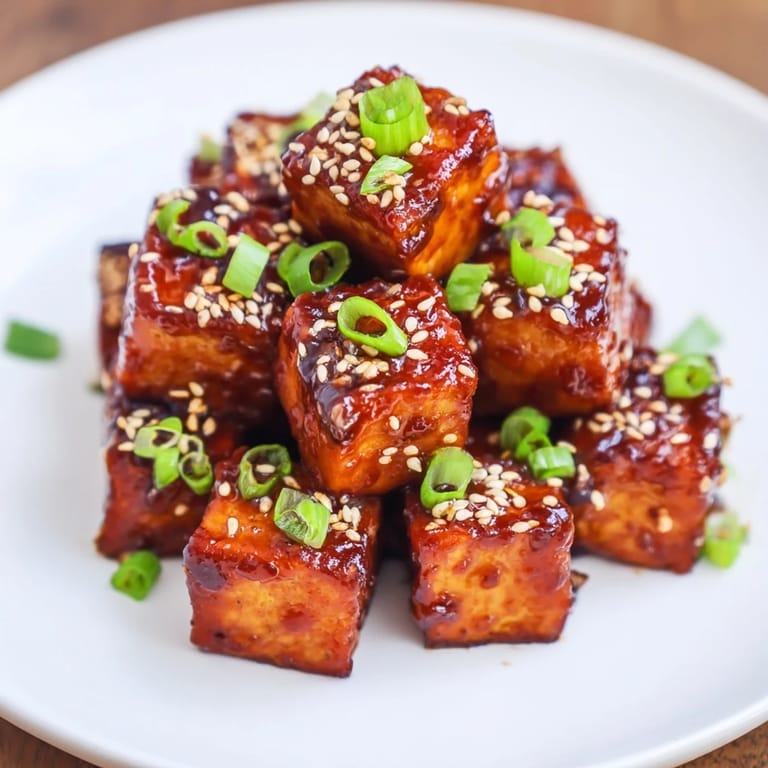
Pin I discovered this dish on a Wednesday night when my roommate came home with a jar of gochujang and declared we were making something "actually good" for dinner. We had half a block of firm tofu sitting in the fridge, some honey in the pantry, and absolutely no plan. Twenty minutes later, the kitchen smelled like toasted sesame and caramelized heat, and we were both fighting over the last sticky cube. That's when I knew this had to become a regular thing.
My partner brought a friend over who claimed to "not really eat tofu," but after one bite of these caramelized, sauce-coated cubes, they went quiet and just kept eating. No commentary, just focused determination. That moment made me realize this recipe had crossed from "thing I cook" into "thing that changes people's minds."
Ingredients
- Firm tofu (400g): Pressing it matters more than you'd think—it's what gives you that crispy exterior instead of a soggy mess.
- Cornstarch (2 tbsp): This is your secret weapon for getting that golden crust that actually stays golden.
- Salt (1/2 tsp): Just enough to season the tofu before it hits the pan.
- Neutral oil (2 tbsp): Use something with a high smoke point; this needs medium-high heat to work.
- Gochujang (2 tbsp): The whole soul of the dish—fermented, complex, and worth buying from a proper source if you can.
- Honey (2 tbsp): The sweet counterpoint that stops this from being purely spicy.
- Soy sauce (1 tbsp): Adds depth and saltiness to the glaze.
- Rice vinegar (1 tbsp): A gentle acid that brightens everything up.
- Sesame oil (1 tbsp): Toasted sesame oil, not the neutral kind—it's the difference between okay and unforgettable.
- Garlic (2 cloves, minced): Fresh garlic only; the dried stuff won't give you the punch you need.
- Fresh ginger (1 tsp grated): Don't skip this; it adds a warmth that makes the spice feel intentional.
- Water (2 tbsp): Helps the sauce come together and prevents it from reducing too fast.
- Toasted sesame seeds (1 tbsp): The final flourish that makes people think you actually know what you're doing.
- Green onions (2 sliced): Brightness and a little textural contrast on top.
Tired of Takeout? 🥡
Get 10 meals you can make faster than delivery arrives. Seriously.
One email. No spam. Unsubscribe anytime.
Instructions
- Press and cube the tofu:
- Wrap your pressed tofu block in clean kitchen towels and let it sit under something heavy for at least 10 minutes—a cast iron skillet or a few canned goods works perfectly. This removes the moisture that would otherwise steam the tofu instead of crisping it. Cut the dried-out block into 2 cm cubes and try to keep them roughly the same size so they cook evenly.
- Coat with cornstarch:
- Toss the cubes in a bowl with cornstarch and salt until every piece is lightly dusted. The cornstarch creates a crispy shell, so don't be shy with the coating.
- Get them golden:
- Heat your oil in a large skillet over medium-high heat until it shimmers. Add the tofu and resist the urge to move it around immediately; let each side hit the heat for 2–3 minutes before turning. You're aiming for a golden crust on all sides, which takes about 8–10 minutes total. The kitchen will smell amazing at this point.
- Make the sauce:
- While the tofu cooks, whisk together gochujang, honey, soy sauce, rice vinegar, sesame oil, garlic, ginger, and water in a bowl. The mixture should look thick but pourable. Taste it straight from the spoon if you want to adjust the spice level now, because it'll be easier than after everything's combined.
- Glaze and cling:
- Pour the sauce into the same skillet (no need to clean it—those browned bits are flavor) and bring it to a simmer over medium heat. Let it bubble gently for 2–3 minutes until it thickens slightly and the raw garlic taste mellows out.
- Coat and finish:
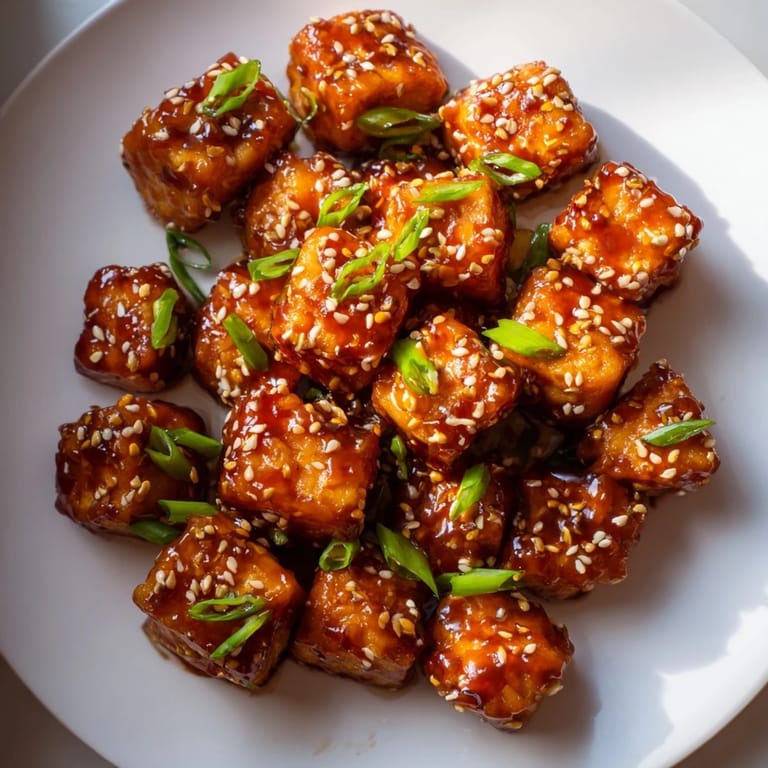
- Return the crispy tofu to the skillet and toss everything together, making sure every cube gets coated in that sticky sauce. Cook for 2 more minutes just to let the tofu absorb some of that flavor and for the sauce to get glossy and clingy.
- Plate and garnish:
- Transfer to a serving plate while the sauce is still warm and clinging to the tofu. Scatter sesame seeds and green onions on top and serve immediately, either as an appetizer or over steamed rice.
 Pin
Pin I made this for someone dealing with a rough week, and they told me later that dinner was the first moment they'd actually relaxed all day. There's something about food that's both comforting and exciting at the same time that does that.
Customizing Your Heat Level
Start with the full 2 tablespoons of gochujang if you like a real kick, but don't be afraid to dial it back to 1 tablespoon if you're cooking for people who prefer gentler spice. The honey and sesame oil will still shine through either way. I've also added a splash of rice vinegar when the sauce felt too thick, which loosened it up without losing any flavor.
What to Serve It With
Plain steamed rice is the obvious choice and honestly the best one, because that sauce deserves to soak into something. But I've also served this over quinoa, stuffed into lettuce cups for a lighter option, or with roasted broccoli and bell peppers mixed right in. One time I scattered it over a rice bowl with pickled cucumber and a soft-boiled egg, and that became my new favorite version.
Making It Vegan and Allergy-Friendly
If honey isn't in your diet, swap it for maple syrup or agave nectar in exactly the same amount—the sweetness is what matters, and either works beautifully. For soy-free, tamari is your friend. Always check your gochujang label if gluten matters to you, because some brands sneak wheat in there.
- Substitute honey with maple syrup or agave if you need it vegan.
- Use tamari instead of soy sauce if soy is an allergen.
- Buy gochujang labeled gluten-free if wheat is a concern.
 Pin
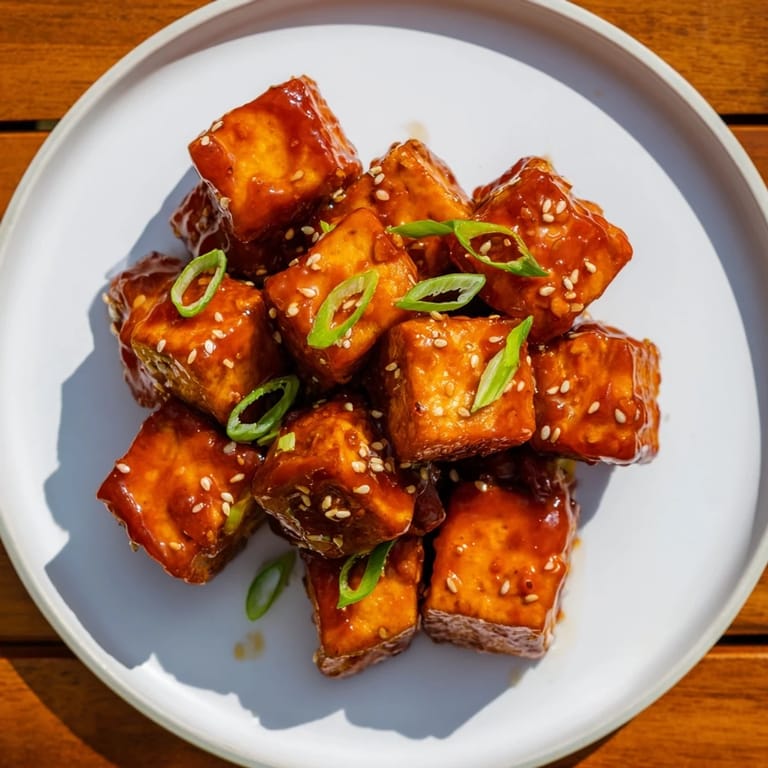
Pin This recipe taught me that tofu isn't a meat substitute—it's its own thing, and when you treat it with respect and give it proper time to crisp up, it becomes genuinely delicious. Come back to it.
Recipe Q&A
- → How do you achieve crispy tofu cubes?
Press the tofu to remove excess moisture, then coat with cornstarch before frying in hot oil until golden and crisp on all sides.
- → What alternatives can replace honey in the glaze?
Maple syrup or agave nectar can be used as vegan-friendly substitutes for honey, maintaining sweetness in the glaze.
- → Can I adjust the spice level of the glaze?
Yes, vary the amount of gochujang according to your preferred heat intensity for a milder or spicier flavor.
- → What sides complement this tofu dish well?
Steamed rice, quinoa, or fresh lettuce wraps make great accompaniments, enhancing the meal’s balance and texture.
- → Is it possible to add vegetables to this dish?
Absolutely, steamed broccoli or sautéed bell peppers add color and nutrients while complementing the tofu’s flavors.