 Pin
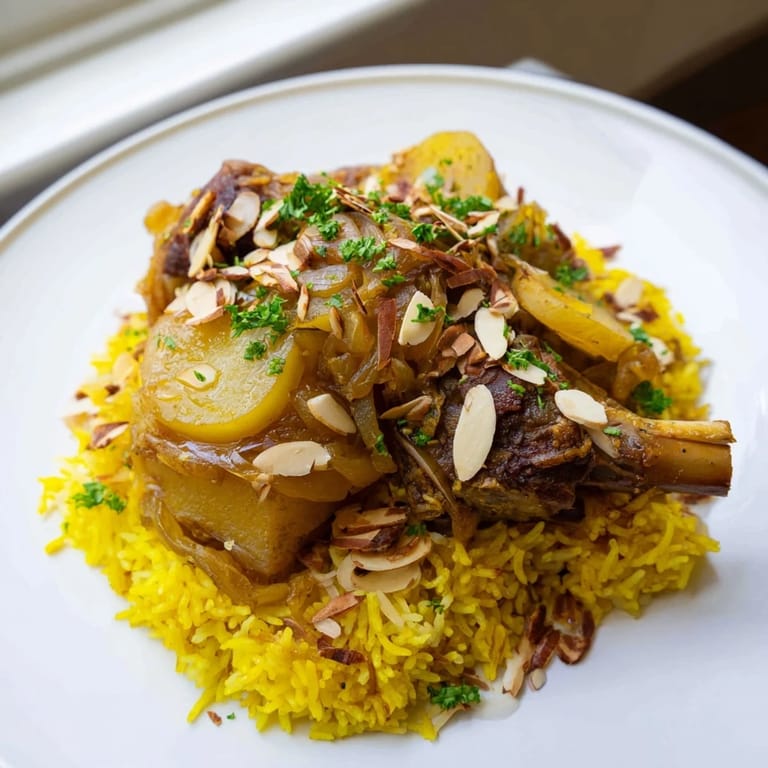
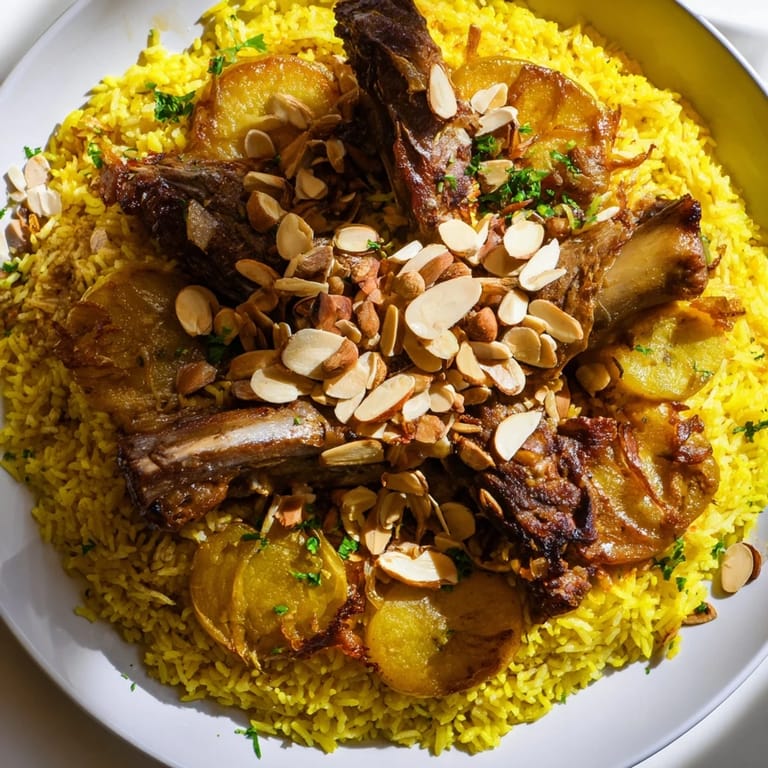
Pin The first time I made maqluba, I didn't understand the point of layering everything just to flip it over. My grandmother laughed when I asked why not just serve it normally, then handed me a spoon and said, "Watch." When that golden dome emerged from the pot, collapsed perfectly onto the platter, and released this cloud of cardamom-spiced steam, I finally got it. It wasn't about being fancy—it was about the drama, the fragrance, the moment when everyone leans in because they can feel something special just happened.
I made this for my brother's first dinner party in his new apartment, and he was nervous about everything going wrong. The maqluba came out of the pot flawlessly, and suddenly he went from stressed to grinning like he'd just performed magic. His friends kept asking for the recipe, but what they really wanted was to know how he'd pulled off something that looked so sophisticated. I think that's what maqluba does—it makes you feel like a better cook than you actually are.
Ingredients
- Bone-in lamb shanks or chicken pieces (900 g): The bones release gelatin into the broth, giving every grain of rice an invisible richness you can taste but can't quite name.
- Long-grain basmati rice (2 cups): Don't skip the rinsing and soaking—it keeps the rice from becoming mushy and gives you those separate, fluffy grains that catch the spiced broth.
- Eggplant and potatoes: Roasting them first means they hold their shape through the steam and don't absorb all the liquid like they would raw.
- Ground allspice and cinnamon: These aren't fancy additions; they're the backbone of Palestinian home cooking, warm and grounding.
- Toasted almonds or pine nuts: The crunch at the end is essential—it keeps the texture interesting and catches the light when you serve it.
- Good broth: This is where the flavor lives; weak broth means a forgettable dish no matter what else you do right.
Tired of Takeout? 🥡
Get 10 meals you can make faster than delivery arrives. Seriously.
One email. No spam. Unsubscribe anytime.
Instructions
- Prepare the rice properly:
- Rinse the basmati under cold running water until the water comes clear—this removes the starch that wants to glue everything together. Soak it for 30 minutes, then drain well so you're not adding extra water to the pot later.
- Season and sear the meat:
- Mix your black pepper, allspice, cinnamon, and salt, then rub it all over the lamb or chicken. The spices need direct contact with the meat to bloom properly as it cooks.
- Build the broth foundation:
- Sear the meat until it's deep brown on all sides—this takes patience, but it's where the flavor starts. Sauté the onions until they soften, then add the meat back and cover with broth to simmer until the meat is nearly tender but still has a bit of resistance.
- Roast the vegetables:
- While everything simmers, brush your eggplant and potato slices lightly with oil and roast them until they're golden at the edges but still hold their shape. You want them cooked through but not falling apart.
- Layer like you mean it:
- Start with tomato slices as your foundation—they become almost a sauce. Then potatoes, eggplant, meat with its onions, and finally the rice on top, pressed down gently but firmly so everything stays stacked.
- Season the broth carefully:
- Mix your turmeric, cumin, and salt into the reserved broth, then pour it slowly over the rice until it just covers the top layer. You're not drowning it, just giving it enough liquid to steam.
- The crucial step—trap the steam:
- Place a plate or heatproof lid directly on the rice before covering with the pot lid. This keeps everything compressed and locked together so when you flip it, it holds as one beautiful dome.
- Cook low and patient:
- Bring it to a gentle simmer, then drop the heat to low and don't touch it for 35 to 40 minutes. You'll know it's done when you peek and see the rice is tender and there's no liquid left sloshing around.
- Rest and release:
- Let it sit covered for 15 minutes off the heat. This is when the starches set and everything fuses together just enough to flip without falling apart.
- The theatrical finish:
- Place your largest serving platter upside down over the pot, take a breath, then flip with confidence. If you hesitate, it feels it. Lift the pot away slowly and let gravity do the work.
 Pin
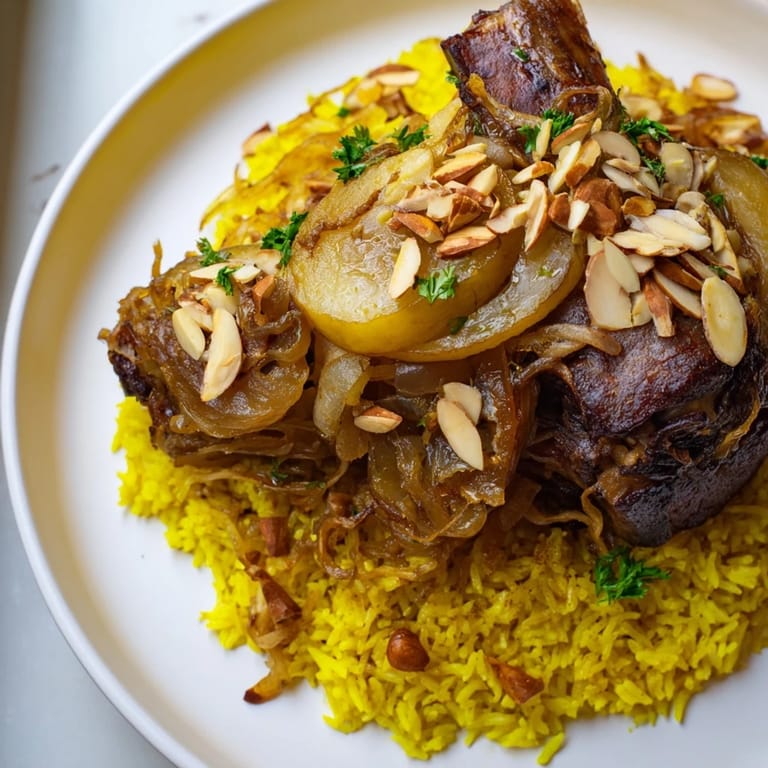
Pin Years later, I realized this dish taught me something about cooking that goes beyond recipes. Every layer matters, but you only see half of it until the moment you're brave enough to turn it all upside down. That's somehow become a metaphor for how I approach everything in the kitchen now.
When to Make This
Maqluba is perfect for when you want to cook something that feels special without spending all day in the kitchen. It's a weekend dinner, a celebration of guests worth impressing, or a quiet moment when you want to remind yourself why you love cooking. The active work is maybe 20 minutes; the rest is the oven and the pot doing the heavy lifting while you breathe and set the table.
The Flavor Profile
This isn't subtle food. The allspice and cinnamon announce themselves immediately, warm and slightly sweet, while the cumin and turmeric add an earthy undertone that keeps things grounded. The eggplant becomes almost creamy, the potato dissolves slightly into the rice, and the meat releases all its umami into every grain. Each bite is complex because every layer contributes something different, something necessary.
Make It Your Own
I've seen people make maqluba with cauliflower instead of eggplant for a different texture, or add a handful of chickpeas for protein without meat. The structure stays the same, but the flavors shift subtly. Some families layer it in a slightly different order or add more tomatoes. The core idea—seasoned meat, fragrant rice, vegetables that become part of something larger—is flexible enough to adapt to what you have and what you love.
- Boneless chicken thighs cook faster and are just as flavorful as lamb shanks if you're short on time.
- A squeeze of fresh lemon juice over the finished dish brightens everything and cuts through the richness beautifully.
- Serve it with a cucumber-yogurt salad on the side—the cool creaminess is the perfect counterpoint to the warm, spiced rice.
 Pin
Pin There's something about maqluba that makes people slow down and pay attention. Maybe it's the anticipation before the flip, or maybe it's knowing that something this beautiful took real thought and care to create. Either way, it's a dish worth making again and again.
Recipe Q&A
- → What type of meat works best for this dish?
Bone-in lamb shanks or chicken pieces provide rich flavor and tenderness when simmered and layered in this dish.
- → How is the layering technique important?
Layering tomatoes, roasted vegetables, meat, and rice ensures each component cooks evenly and contributes to the final visual impact once flipped.
- → Can I substitute vegetables in this dish?
Yes, cauliflower florets are a popular alternative to eggplant for a slightly different texture and flavor profile.
- → Why soak the rice before cooking?
Soaking long-grain basmati rice helps remove excess starch and ensures fluffy, separate grains after cooking.
- → What is the purpose of the broth in cooking?
Spiced broth infuses the rice with flavor and moisture, cooking it gently until all liquid absorbs without stirring.
- → How do I achieve a perfect flip without breaking the dish?
Using a large serving platter that covers the pot, invert quickly but carefully to preserve the layered structure intact.