 Pin
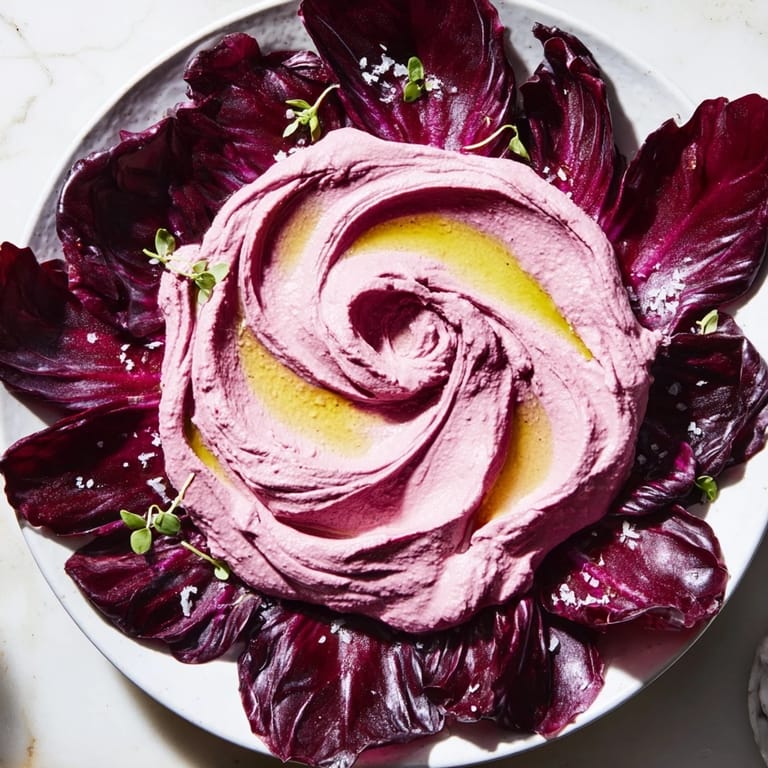
Pin I discovered this appetizer while standing in a farmer's market on a crisp autumn morning, mesmerized by a vendor's jewel-toned beets. Something about their deep crimson color sparked an idea: what if I could transform that earthy sweetness into something visually striking enough to stop people mid-conversation? That afternoon, my kitchen filled with the smell of roasting beets and tahini, and when I piped the first rose-shaped swirl onto white ceramic, I knew I'd found something special.
I'll never forget serving this at a dinner party where a guest with strict dietary restrictions was nervously scanning the menu. When she tasted it, her whole face softened—she later told me it was the first time in months someone had made something beautiful just for her needs. That moment taught me that impressive food doesn't require compromise; sometimes it just requires paying attention to what matters.
Ingredients
- Beet: One large beet, roughly 200 grams, becomes the soul of this hummus—roasting coaxes out its natural sugars and gives the finished dish that stunning deep red that stops people before they even taste it.
- Chickpeas: A drained and rinsed can provides the creamy base; rinse them thoroughly to avoid any tinny taste.
- Tahini: Two tablespoons creates that luxurious mouthfeel—use the highest quality you can find because it's the quiet partner that makes everything work together.
- Extra-virgin olive oil: Two tablespoons matters more than you'd think; it adds richness and helps achieve that silky texture.
- Garlic clove: Just one small clove, minced fine, keeps the focus on the beet without overpowering.
- Lemon juice: Fresh from one lemon brightens everything and keeps the color vivid.
- Ground cumin: A half teaspoon adds a whisper of warmth and earthiness that feels Mediterranean without announcing itself.
- Salt and black pepper: Start with a half teaspoon salt and adjust at the end—taste guides you better than any recipe ever could.
- Cold water: Keep two to three tablespoons nearby; add it slowly to control the exact consistency you want.
- Radicchio leaves: One small head separated into individual leaves becomes your edible canvas and adds a gentle bitterness that balances the sweet beet.
- Flaky sea salt and olive oil: These finishing touches transform good into restaurant-worthy.
- Microgreens or edible petals: Optional, but they whisper luxury on the plate.
Tired of Takeout? 🥡
Get 10 meals you can make faster than delivery arrives. Seriously.
One email. No spam. Unsubscribe anytime.
Instructions
- Prepare and roast your beet:
- Preheat your oven to 400°F, wrap the trimmed beet tightly in aluminum foil, and let it roast for 40 to 45 minutes until a fork slides through with no resistance. The smell will eventually shift from sharp and raw to deeply sweet—that's your cue it's ready.
- Build the hummus base:
- Once the beet has cooled enough to handle, peel away the papery skin and roughly chop it into chunks. Combine it in your food processor with drained chickpeas, tahini, olive oil, minced garlic, fresh lemon juice, cumin, salt, and pepper, then process until the mixture transforms into something completely smooth.
- Find your perfect consistency:
- Add cold water one tablespoon at a time, blending after each addition, until the hummus moves from thick paste to luxuriously creamy—think cloud-like, not soup-like. Taste as you go and adjust seasoning until it makes you smile.
- Shape into roses:
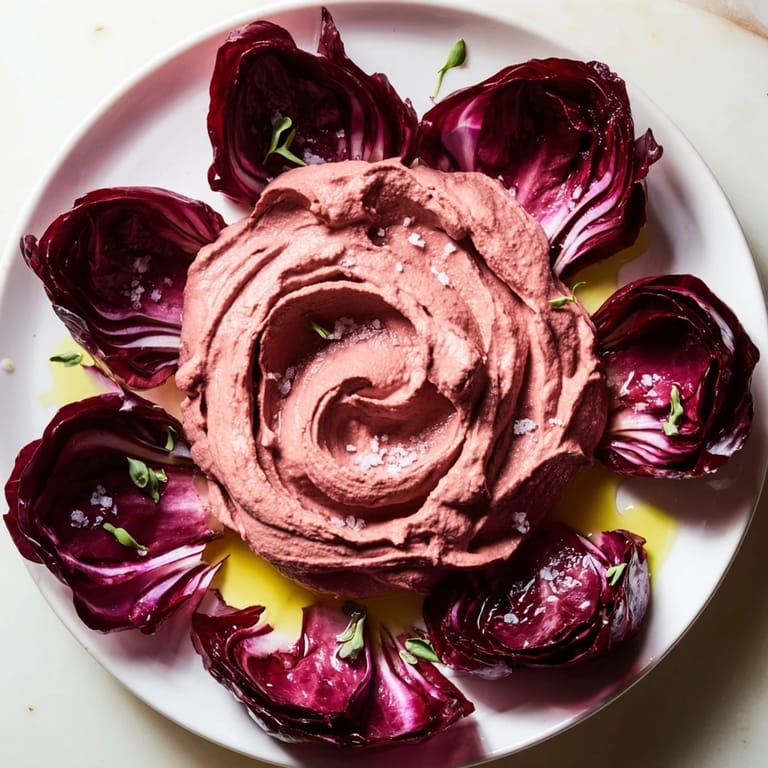
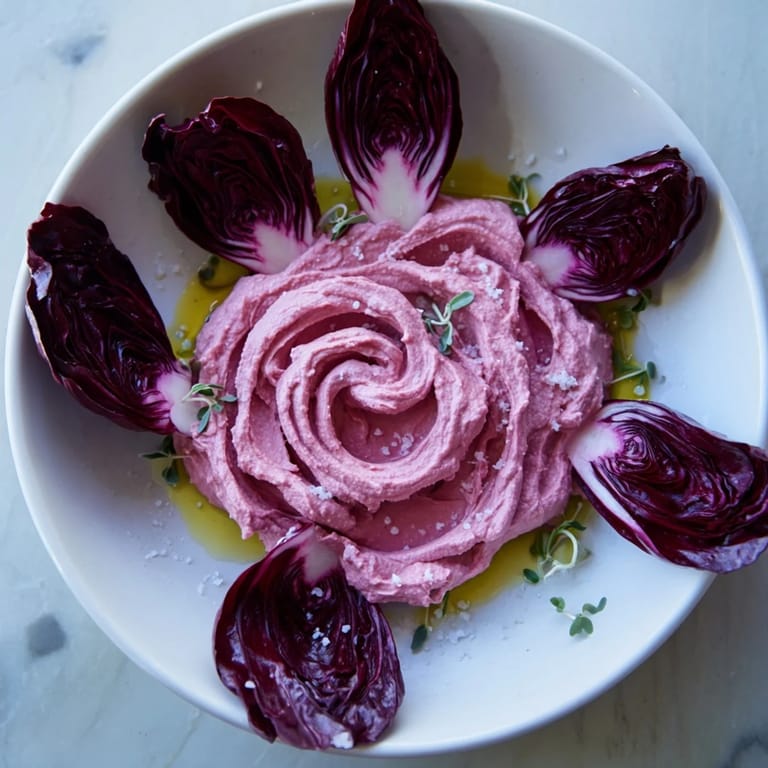
- Using a piping bag fitted with a large star tip (or a simple spoon if you prefer a looser interpretation), create small rose-shaped swirls directly onto your serving plate. If you're nervous, remember that imperfect roses often look more organic and charming than perfectly symmetrical ones.
- Arrange and garnish:
- Position radicchio leaves around the hummus roses to resemble petals, drizzle everything with high-quality olive oil, and scatter flaky sea salt across the surface. Add microgreens or edible petals if you have them.
- Serve right away:
- This appetizer is best enjoyed while the contrast between cool hummus and crisp radicchio is at its peak, with extra leaves ready for dipping.
 Pin
Pin There's something almost magical about watching people approach a plate cautiously because they're not sure if it's art or food, then watching them realize it's both. This dish became my answer to anyone who believed vegan appetizers had to be an afterthought.
The Beet's Hidden Gift
Beets carry soil and sweetness in equal measure, and once you roast one, you understand why ancient cooks believed certain vegetables held deeper flavors than others. The heat unlocks something earthy and almost floral, which is why this particular vegetable transforms so dramatically under fire. I started keeping roasted beets on hand constantly after my first batch, discovering they made everything from salads to soups taste more intentional.
Building Flavor Through Layers
Hummus teaches you an invisible lesson about seasoning: every component plays a specific role in the orchestra. The tahini carries the oil-based flavors, the lemon provides brightness and prevents dullness, the cumin anchors everything in warmth, and the beet adds visual drama alongside natural sweetness. When you taste this alongside store-bought versions, you realize how much of their missing dimension comes from skipping that multi-layered approach to seasoning.
Presentation That Feels Effortless
The rose shapes intimidate people until they remember that imperfection reads as charm when it's intentional. I've watched home cooks stress about piping perfectly symmetrical roses when the truly memorable presentations are the ones that look like they came from someone's heart rather than a professional kitchen. The radicchio leaves are your safety net—they blur the line between precision and casual beauty, which is where the best entertaining happens.
- If piping feels too fussy, use the back of a spoon to create gentle swirls instead.
- A large star piping tip gives the most dramatic effect with minimal effort.
- Radicchio leaves can be separated and prepped a full day ahead, then stored in cold water to stay crisp.
 Pin
Pin This appetizer proved to me that the most memorable dishes are often the ones where care and creativity meet simplicity. Serve it when you want people to feel seen.
Recipe Q&A
- → How do I achieve the rose shapes with beet hummus?
Use a piping bag fitted with a large star tip to swirl the hummus in circular motions, creating layered rose patterns.
- → Can I prepare the beet hummus in advance?
Yes, roasting and blending the beets ahead of time saves prep. Keep hummus refrigerated and pipe into shapes just before serving.
- → What can I use instead of radicchio leaves for serving?
Try Belgian endive, endive, or pita chips as crunchy, slightly bitter alternatives to radicchio.
- → How do I roast beets for this dish?
Wrap whole beets in foil and roast at 400°F (200°C) for 40–45 minutes until tender, then peel and chop for blending.
- → What enhances the beet hummus flavor?
A pinch of smoked paprika adds a subtle smoky depth to the earthy sweetness of the beets.
- → Is this dish suitable for special diets?
Yes, it is vegan, gluten-free, and nut-free, though it contains sesame from tahini; check labels if allergies are a concern.