 Pin
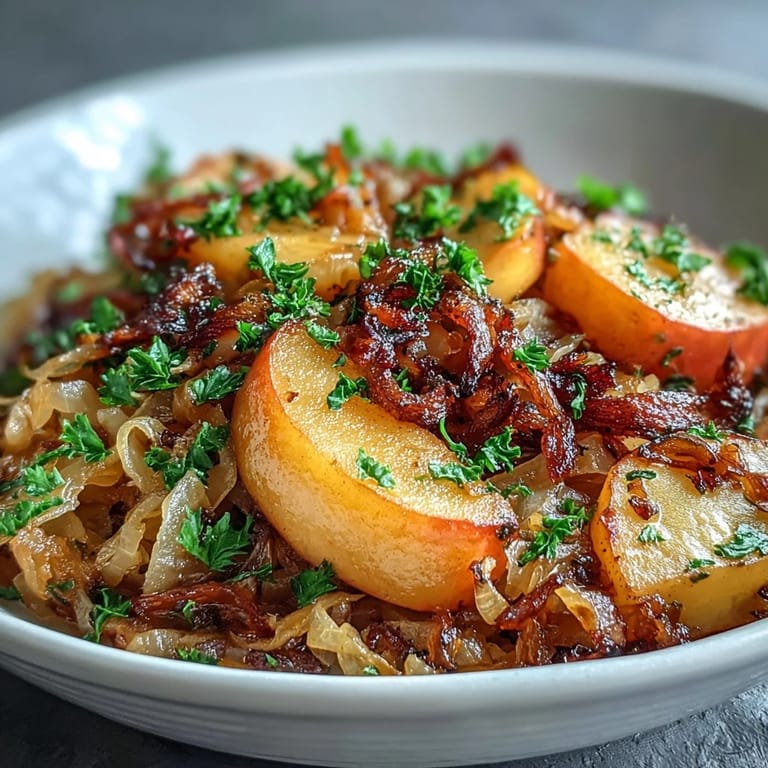
Pin My neighbor brought over a jar of homemade sauerkraut one autumn afternoon, and I stood in my kitchen wondering what on earth to do with it beyond a sandwich topping. That same day, I had beautiful apples sitting on the counter getting softer by the minute, and something clicked—what if I treated them like the Germans do, pairing that funky fermented bite with sweet caramelized fruit? Twenty minutes later, I had this warm, tangy-sweet skillet that tasted like it belonged in a cozy European kitchen, not mine in suburban New England.
I made this for a potluck at work once, skeptical about whether anyone would actually eat warm sauerkraut salad, and three people asked for the recipe before I'd even sat down. One colleague said it reminded her of her grandmother's kitchen in Poland, and another asked if I'd catered it. That's when I realized this dish does something unexpected—it bridges nostalgia and novelty in a single bite.
Ingredients
- Apples (Honeycrisp or Gala): Choose ones that are firm but not mealy; the sweetness balances the sauerkraut's funk, and they need enough structure to caramelize rather than collapse into mush.
- Red onion: The thin slice matters here—it becomes almost translucent and sweet when sautéed, adding depth without the harshness of raw alliums.
- Sauerkraut: Drain it well, or you'll end up with a soggy situation; if yours is packed in brine, a quick rinse helps too.
- Baby spinach or arugula: This is your fresh, peppery counterpoint; add it at the very end so it barely wilts and keeps its life.
- Olive oil or unsalted butter: I use butter when I want richness, oil when I want the flavors to shine clearer—either works beautifully.
- Caraway seeds: Optional, but they're the secret whisper that makes this taste authentically European; toast them briefly in the pan first if you have whole ones.
- Honey or maple syrup: A teaspoon is enough to round out the sharp edges and coax the apples into a glazed golden state.
- Toasted walnuts or pecans: The crunch is essential; buy them already toasted or toast them yourself—ten minutes in a dry skillet makes all the difference.
Tired of Takeout? 🥡
Get 10 meals you can make faster than delivery arrives. Seriously.
One email. No spam. Unsubscribe anytime.
Instructions
- Warm Your Pan and Begin:
- Heat your skillet over medium heat with a generous glug of oil or a pat of butter. When it's shimmering or foaming, you're ready—this takes about a minute, but rushing here means your apples will steam instead of sauté.
- Coax the Apples and Onions:
- Add sliced apples and thin-sliced red onion together, stirring occasionally as they soften. You want them golden and tender after about 6–8 minutes; listen for the gentle sizzle and watch for that caramel color creeping in at the edges.
- Build Flavor with the Glaze:
- Drizzle in honey or maple syrup, scatter caraway seeds if using, and season with salt and pepper. Give everything one more stir—the flavors meld almost instantly, and the apple juices pick up that subtle spice.
- Warm the Sauerkraut Gently:
- Lower the heat to low and fold in your drained sauerkraut, stirring just enough to heat it through for 2–3 minutes. You're not cooking it to death here; you just want it warm and mingled with the sweet apples.
- Add the Greens and Finish:
- Remove the pan from heat and gently toss in baby spinach or arugula until it's just barely wilted—it should still have some structure and that fresh, peppery presence. Transfer to a serving dish immediately.
- Garnish and Serve:
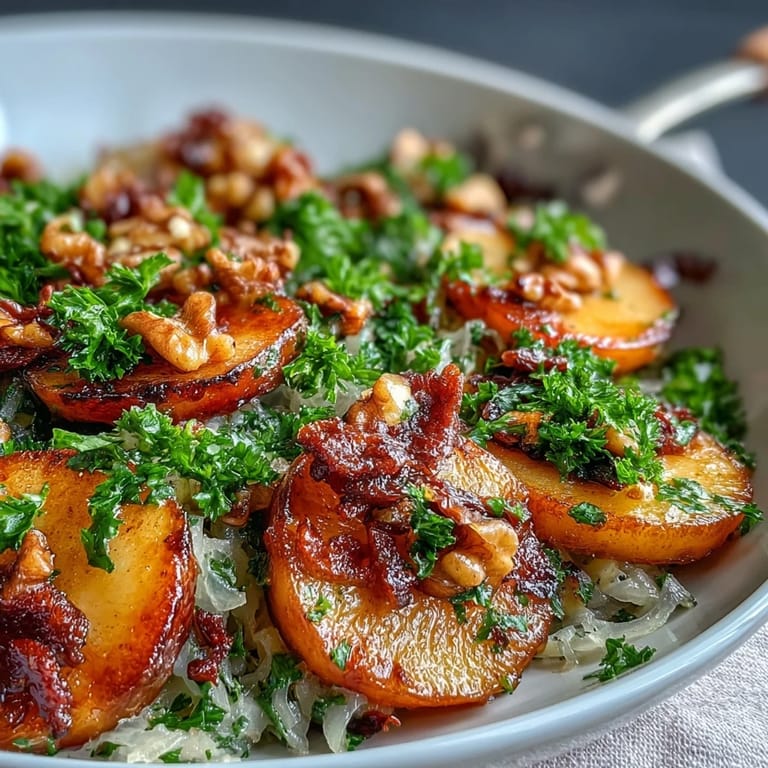
- Top generously with toasted nuts and fresh parsley, then bring it to the table warm or at room temperature. The flavors actually intensify as it cools slightly, so don't stress if it's not piping hot when you eat it.
 Pin
Pin There's a moment when you taste this salad for the first time where the warm, tangy, slightly sweet combination just makes sense—like your palate had been waiting for this particular trio of flavors all along. It's become the dish I reach for when I want something nourishing but not heavy, something that feels both comforting and a little adventurous.
When to Serve This
This skillet salad is wonderfully flexible—serve it warm alongside roasted pork or sausages, where the fermented sauerkraut's acidity cuts through rich meat beautifully. Cold or at room temperature, it becomes a standalone lunch with real staying power, or a supporting player on a charcuterie board. I've even served it as a side to fish, where its brightness plays nicely against delicate flavors.
Variations Worth Trying
Once you understand the formula—caramelized sweet fruit, tangy fermented vegetables, fresh greens, and crunch—you can wander. Thin-sliced fennel adds an anise whisper that's beautiful, or a splash of apple cider vinegar brings extra brightness if your sauerkraut is mild. Some people prefer this without the greens altogether, more like a traditional German warm slaw, and honestly, that version is equally delicious.
Making It Your Own
The joy of this recipe is how personal it becomes once you've made it once. You learn what temperature your stovetop prefers, whether you like the caraway seeds forward or barely perceptible, and how much sweetness feels right to your palate. There's no wrong version here, only the one that makes sense in your kitchen, on your schedule, with what you've got on hand.
- Swap the nuts for seeds (sunflower or pumpkin work beautifully) if you have a tree nut allergy.
- Vegan? Use olive oil and maple syrup instead of butter and honey, and it's already there.
- Make it ahead by preparing the apples and onions in the morning, then finish the dish just before serving for maximum freshness.
 Pin
Pin This warm apple and sauerkraut skillet salad has become my quiet answer to cooking something that feels both nourishing and indulgent at once. Make it once, and you'll find yourself reaching for it again and again.
Recipe Q&A
- → Can I make this ahead of time?
Yes, prepare the apple and sauerkraut mixture up to 2 days in advance. Reheat gently in a skillet before adding fresh greens and garnishes. The flavors actually develop and improve overnight.
- → What type of apples work best?
Firm, slightly tart varieties like Honeycrisp, Gala, or Braeburn hold their shape well during cooking. Avoid very soft apples that may turn to mush when sautéed.
- → Is this suitable for meal prep?
Absolutely. Store the cooked apple-sauerkraut mixture separately from fresh greens and nuts. When ready to eat, reheat the base and toss with spinach just before serving.
- → Can I use store-bought sauerkraut?
Yes, look for refrigerated sauerkraut with live cultures for maximum probiotic benefits. Drain well before adding to the skillet to prevent excess moisture.
- → What proteins pair well with this?
Roast pork, sausages, bratwurst, or grilled chicken are classic companions. For a vegetarian protein option, serve with white beans or halloumi cheese.
- → How do I prevent the sauerkraut from becoming too dry?
Reduce heat to low when adding sauerkraut and warm gently just until heated through. Avoid overcooking, which can dry out the mixture and diminish probiotic benefits.